
Life in the cemetery, or Día de los Muertos
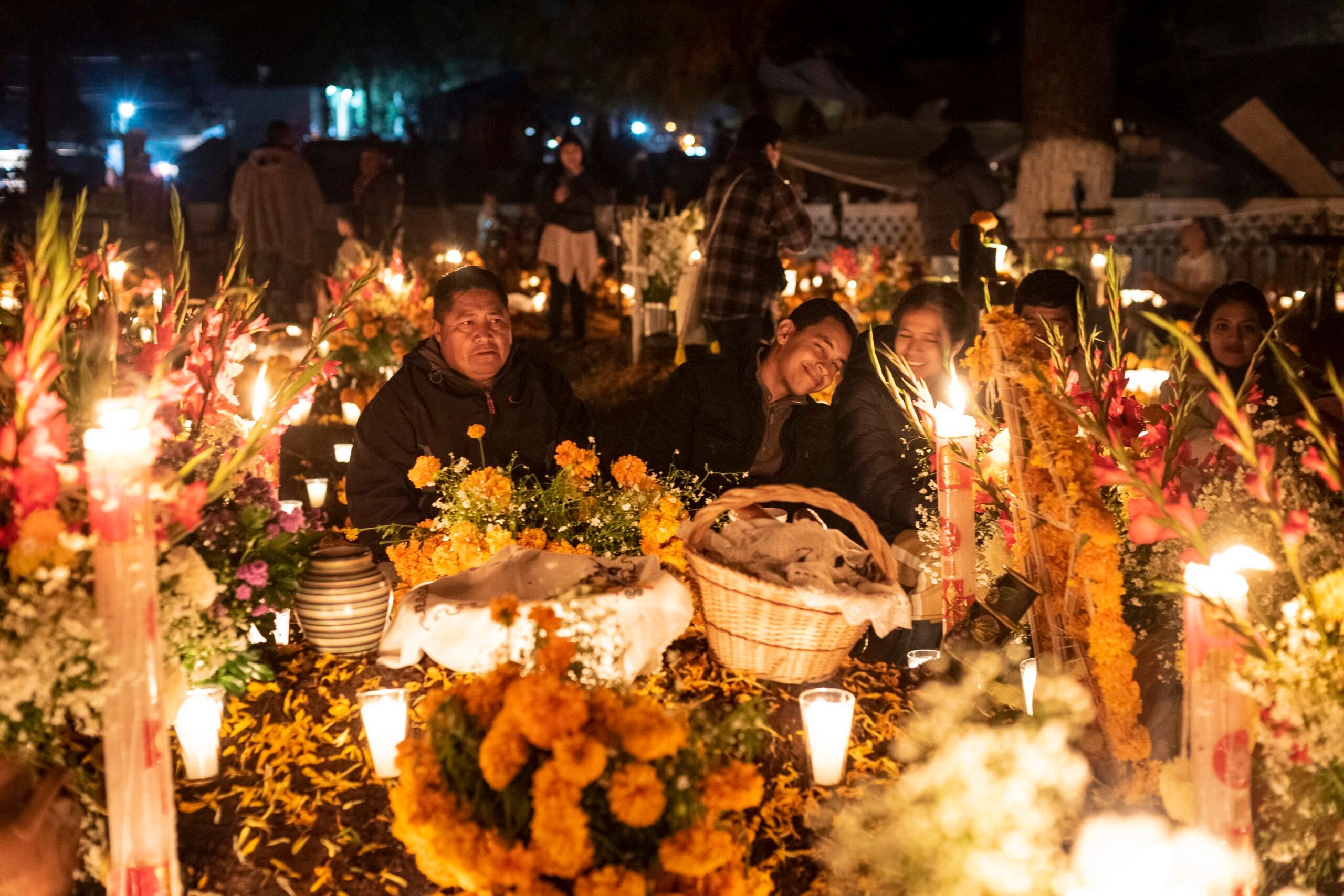
When, in Poland on 1 November, we create the biggest traffic jams of the year and visit cemeteries in silence, lighting candles and remembering our loved ones in quiet reflection, in Mexico a colourful fiesta unfolds with music, food, dancing and sugar skulls! Is it the sun in their hearts and in the sky? Pre-Christian traditions? Or does the way they relate to the dead have yet another source?
Death to the rhythm of maracas.
In Mexico no one takes death deadly seriously. The dead – by tradition – do not leave forever; they visit the living once a year to celebrate together! That is why families build little altars (Spanish: ofrendas) at home and in cemeteries, decorating them with candles, marigold flowers and family photos. On top of that, everyone prepares the dead's favourite dishes, for they come to visit that day. So what stops us, on 1 November, from bringing grandma's favourite butter cookies and washing them down with fruit tea from a thermos? If grandpa loved tequila – there stands a glass of tequila. If grandma had a weakness for chocolate – chocolate awaits her. The dead return to help themselves, to listen to music and to see that no one has forgotten them. Family members often even boast to their departed loved ones about their successes. Grandchildren show grandmothers their sports trophies, and adults show off the keys to new cars. Here everything is fitting. There's no stuffy atmosphere or exaggerated solemnity. Didn't our departed loved ones have a sense of humour and go to parties when they were alive? They were frequent guests – so even after death they're on the guest list.
Sugar skulls and dancing skeletons.
The symbol of the holiday is the calaveras – sugar skulls, often bearing loved ones' names. Shops and streets teem with figurines of skeletons dancing salsa, playing guitars and riding bicycles.
In Mexico, death does not mean the end, only a change of rhythm. No wonder the streets are ruled by carnival-style processions, and instead of black mourning – colours reign: pink, turquoise, yellow and orange. The queen of flowers that day is the marigold, from which Mexican women make wreaths to adorn their heads. Brass bands parade in "skull" make-up. Many people put on enormous masks. The fiesta lasts until dawn.
Bread of the dead and other delicacies.
On the tables reigns pan de muerto – the "bread of the dead", a sweet bread shaped like bones, served with hot chocolate. Alongside it, the sugar skulls mentioned earlier, marzipan figurines, and even special dishes "for the spirits".
Some believe the dead really do come; others – that it's only a symbolic invitation. But everyone agrees that it's a time to enjoy memories, not to grieve. None of us would want the sight of weeping loved ones after our own death. Mexicans celebrate the life they witnessed, cherishing the best shared moments they were given together.
Curiosities from the land of mariachi and ghosts.
In some regions of Mexico, families spend the night in cemeteries, singing and talking with the dead around a fire.
"Calaveras literarias" are popular – funny little poems about the dead and the living! Often playful rhymes in the style of: "Here lies Don Pepe, who never wanted to sleep, until death told him: it's finally time for a good rest!"
Skulls and skeletons are not frightening – they are a symbol of joy, humour and acceptance of impermanence.
This tradition has roots reaching back to the times of the Aztecs, who believed that death is only a passage to the next stage of existence.
How about a little Mexican joy in our cemeteries?
Perhaps it's worth borrowing a little of that cheerfulness from the Mexicans? Our cemeteries, too, could gain a touch of colour – not only in candles, but in memories. It would be more joyful to remember a beloved grandmother with her infectious laugh and famous cheesecake than only in silence and reflection. Isn't it more beautiful to recall a grandfather with his legendary wit than only in a black-and-white photo? Let's dispel the gloomy aura of cemeteries.
Immortalise the joy of life in a digital memory profile.
In our culture, too, we can celebrate life – by creating digital biographies and memory profiles that hold the most joyful moments of our loved ones. Holiday photos, clips from family parties, their favourite sayings, and even anecdotes that still bring a smile. We can also show off the exceptional achievements and successes of our family members. Immortalise shared travels or show the passion that guided the person we loved through life.
After all, our loved ones would want us to remember them with a smile – not with sadness.
Let Polish cemeteries, too, ring with memories, laughter and colour.
And if you want your loved ones to be remembered as they lived – with passion, humour and warmth – create a digital memory profile for them that will keep their best moments forever.
Recommended articles
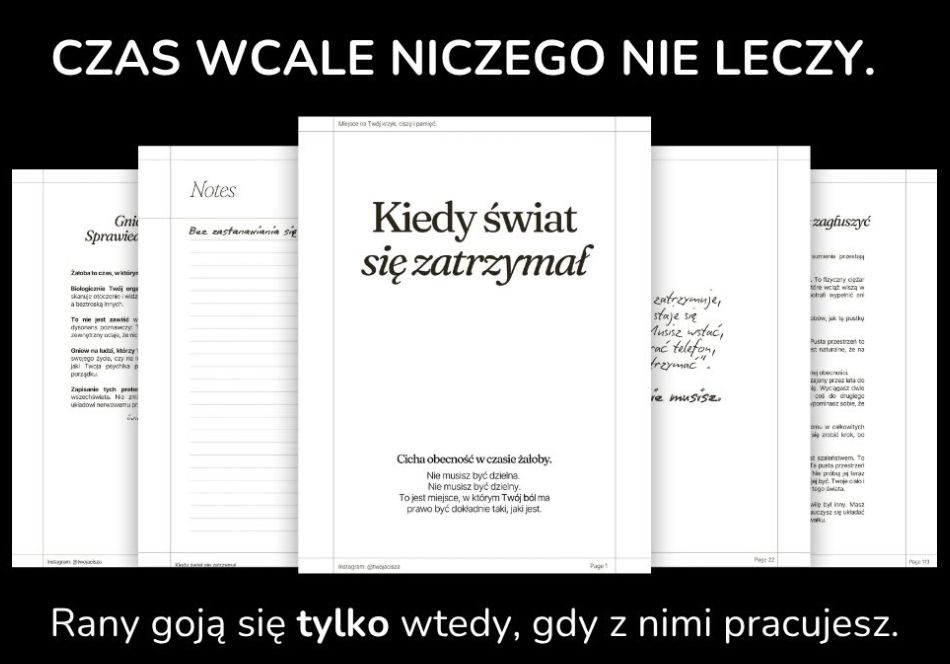
Twoja Cisza – a conversation about grief. Plainly and concretely.
An interview about grief, experiencing loss and the workbook “When the world stopped”. How to cope with guilt, helplessness and everyday life after a loved one's death.
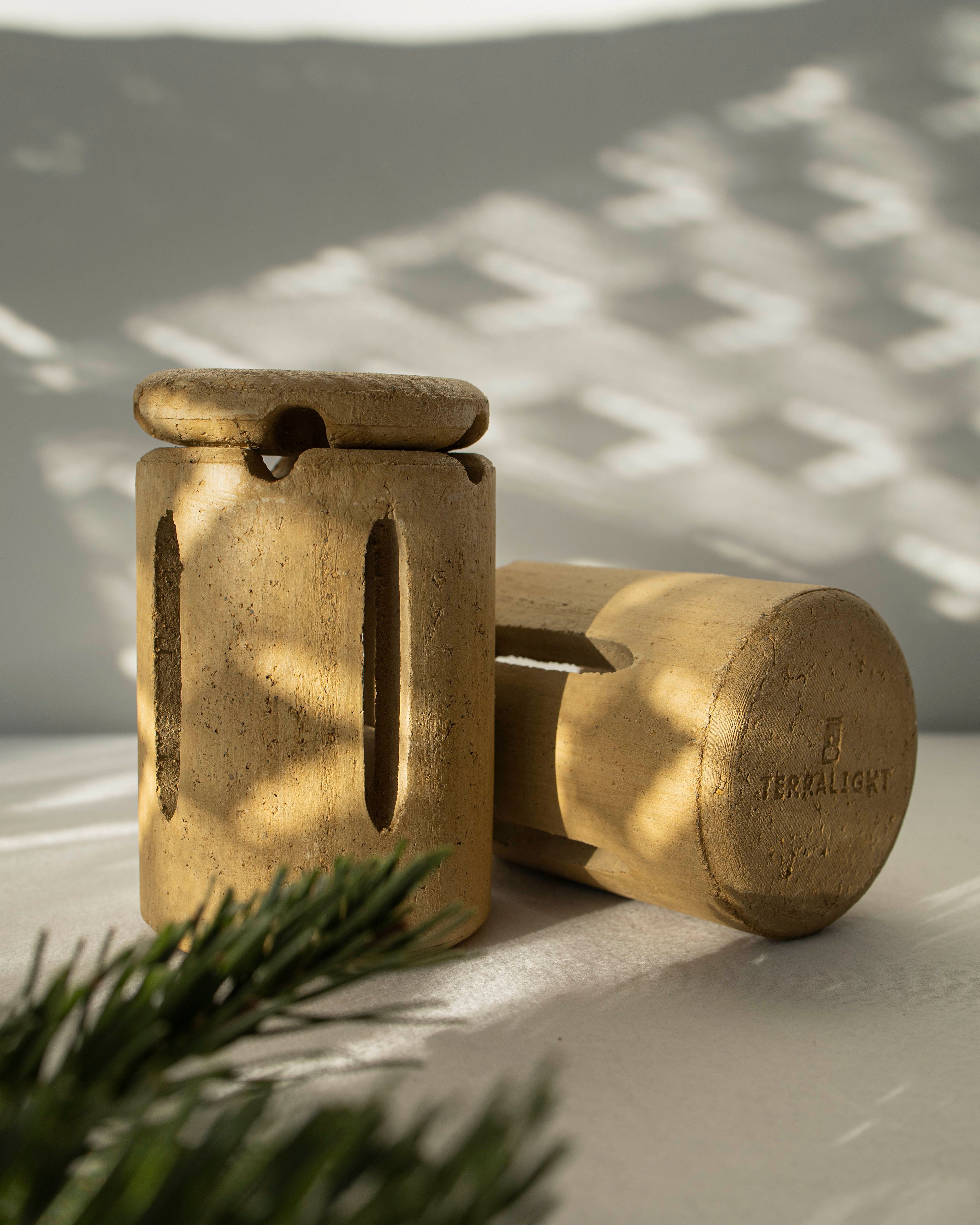
Eco-friendly grave lights – a conscious future for cemeteries?
Discover the TerraLight initiative and learn how eco-friendly grave lights help reduce cemetery waste, combining tradition with care for the environment.
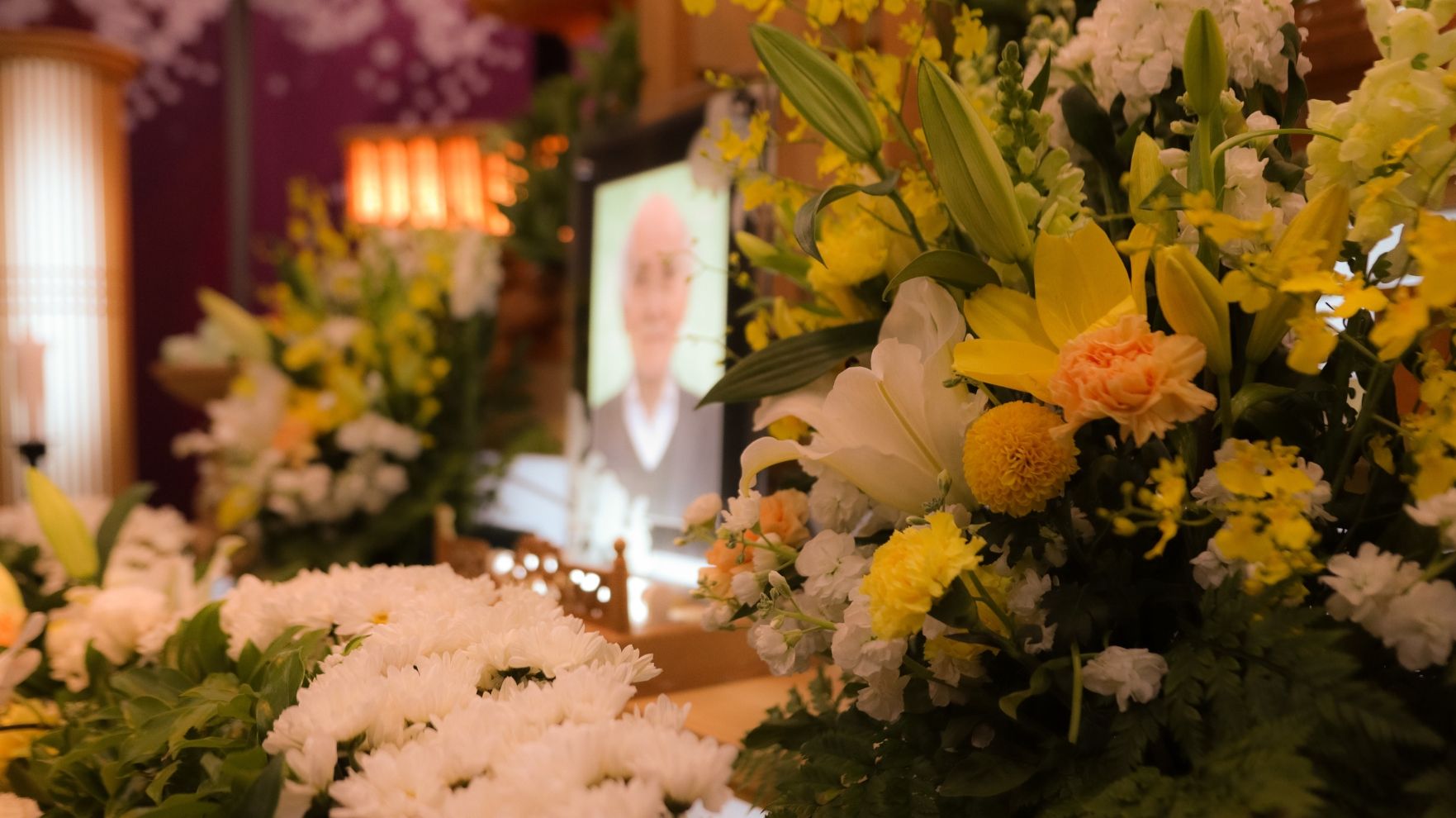
Humanist funerals – why are they growing in popularity?
Learn what humanist funerals are and why they are growing in popularity. Discover how a secular ceremony unfolds and the modern forms of remembrance.