
Humanist funerals – why are they growing in popularity?
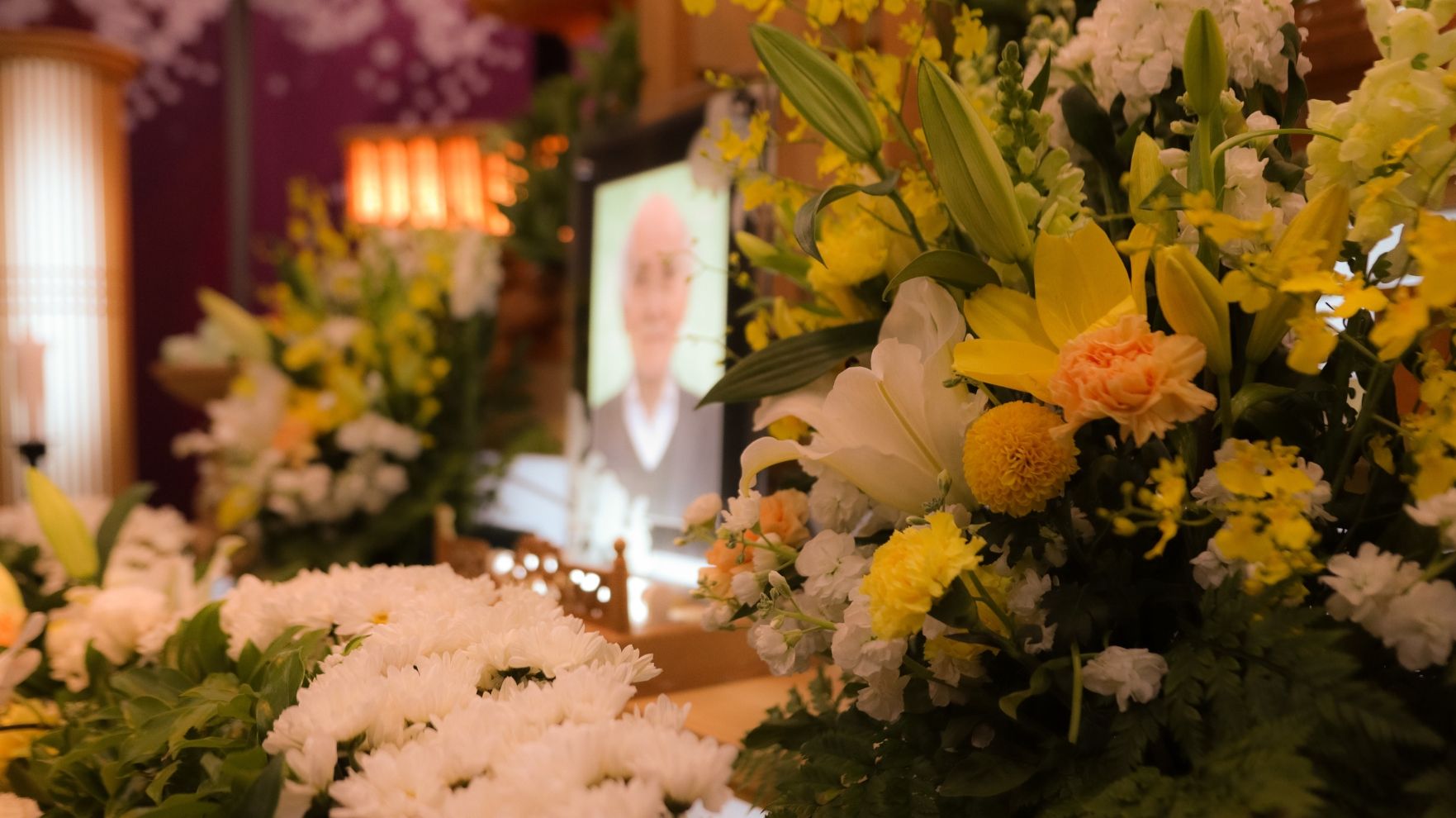
Humanist funerals – an increasingly chosen form of final farewell
The way we bid farewell to our loved ones changes along with our approach to the subject of death. More and more people are looking for a ceremony that reflects the deceased's life, values and personality, rather than relying solely on a set pattern often based on religious rules. For this reason, humanist funerals are becoming an increasingly recognised and chosen form of final farewell in Poland.
Although religious ceremonies still dominate, the number of families choosing a secular character for the ceremony is growing. For many people it is a chance to create a farewell in keeping with the deceased's beliefs, and an opportunity to tell the story of their life in a special and personal way.
What is a humanist funeral?
A humanist funeral is a ceremony led by a master of ceremonies. It contains no liturgical elements, and its course is created individually for each person. A humanist funeral has a secular character and does not include religious rites as part of the ceremony itself. In practice, however, some families decide on separate, short religious elements, or arrange the denominational part and the humanist part separately, to respect the beliefs of the deceased and their loved ones.
The master of ceremonies meets the family beforehand, learns the deceased's life story and, on that basis, prepares the script for the farewell. This gives each ceremony a unique character, tailored to the person we are bidding farewell.
A personal ceremony instead of a ready-made script
One of the greatest advantages of a humanist funeral is its individuality. There is no single obligatory course for the ceremony. The family, together with the master of ceremonies, decides what elements the farewell will include.
These can be memories from the closest relatives, the reading of letters or the deceased's favourite quotes, music that accompanied them through life, a presentation of photographs or symbolic gestures of farewell. All these elements have one goal – to tell the story of a person, not merely to commemorate the date of their passing.
Increasingly, masters of ceremonies also prepare multimedia presentations or farewell films that let those present relive the most important moments of the deceased's life. Such materials help create an atmosphere of reflection, gratitude and shared remembrance.
Who are humanist funerals for?
They are most often chosen by non-believers, agnostics and those who do not identify with any religion. Increasingly, however, believing families also opt for a secular ceremony, above all because they want a more personal character to the farewell.
A humanist funeral is not an expression of opposition to religious traditions. It is simply an alternative for people who want to honour a loved one's memory in a way that matches their life and worldview.
The memory of the deceased does not end with the ceremony
For many families the funeral ceremony becomes the beginning of nurturing memories. Photos, recordings or a film prepared for the ceremony often have enormous emotional value and, over time, become a family keepsake.
More and more people also choose to place such materials in digital biographies with a QR code. Such a code on a headstone gives access to a page dedicated to the deceased, where, alongside photographs and memories, there can also be the deceased's life story in a QR code, a farewell film prepared by the master of ceremonies, or the presentation shown during the ceremony. Thanks to this, the memory of a loved one is not limited to a few pieces of information carved on a monument, but preserves a much fuller picture of their life.
A growing need for a personal farewell
The changing approach to organising funerals shows that, for many families, what matters most today is not only a dignified farewell, but also the chance to tell the story of a beloved person's life. Humanist funerals answer this need, giving space for memories, emotion and personal reflection.
Whether the ceremony is religious or secular, its most important aim remains to show respect to the deceased and support to their loved ones. Increasingly, the memory of these special moments endures even after the ceremony ends – both in the family's memories and in modern solutions such as digital biographies, which allow a life story to be preserved for future generations.
More about humanist ceremonies in the interview with master of ceremonies Magdalena Wesołowska.
If you wish to create a farewell full of respect, tenderness and beautiful memories, please get in touch with Magdalena Wesołowska.
E-mail: wesolowska.mistrz@gmail.com
https://www.facebook.com/wesolowskamistrzceremonii
Phone: +48 660 326 698
Recommended articles
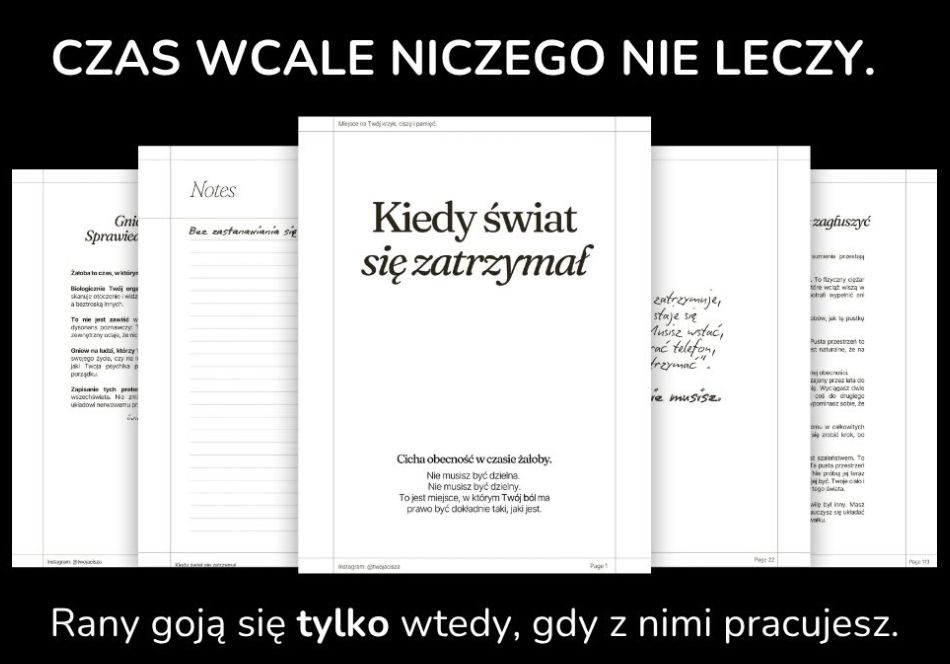
Twoja Cisza – a conversation about grief. Plainly and concretely.
An interview about grief, experiencing loss and the workbook “When the world stopped”. How to cope with guilt, helplessness and everyday life after a loved one's death.
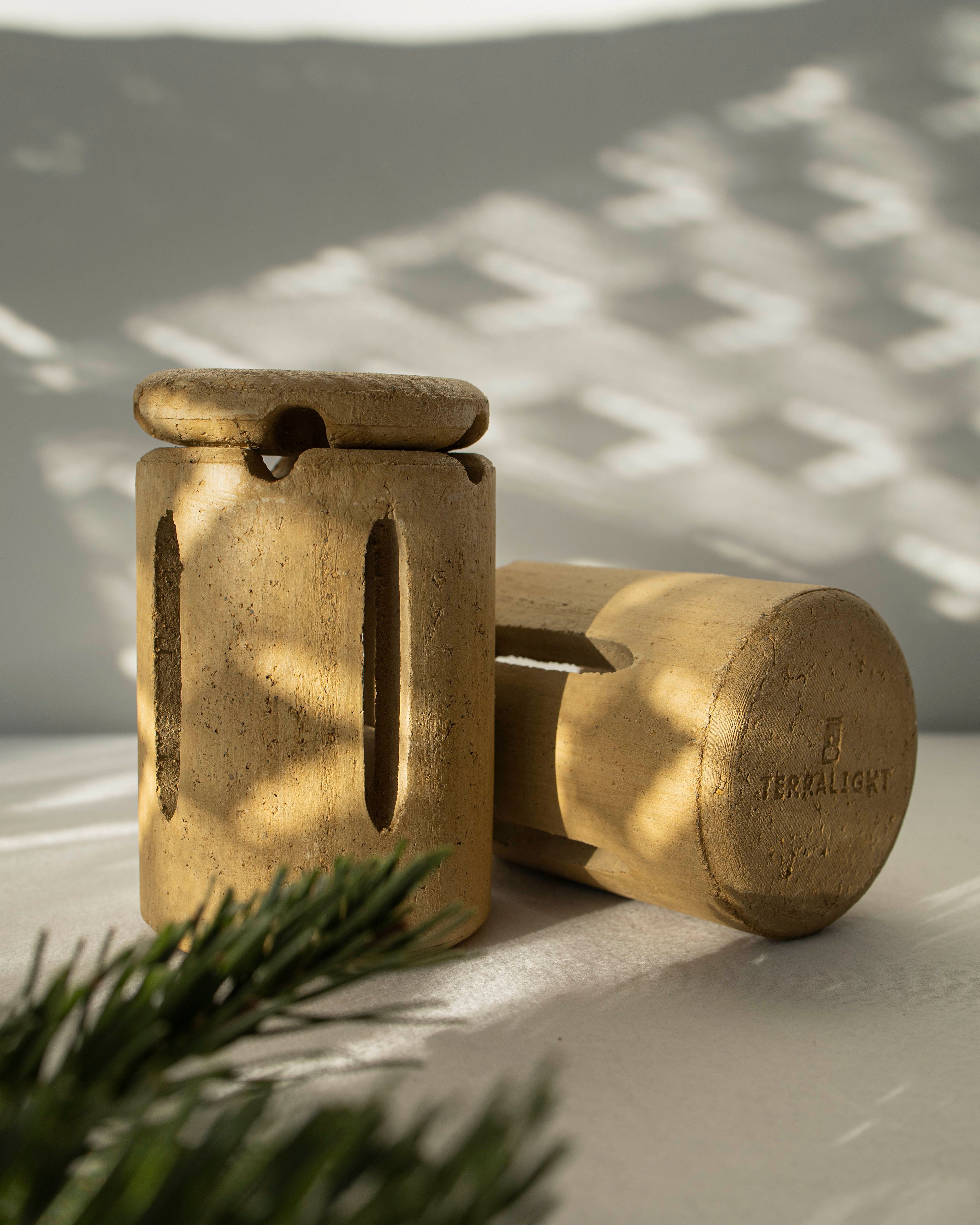
Eco-friendly grave lights – a conscious future for cemeteries?
Discover the TerraLight initiative and learn how eco-friendly grave lights help reduce cemetery waste, combining tradition with care for the environment.

What happens to social-media accounts after death? – discover digital burial.
What happens to social-media accounts after death? Discover the idea of digital burial and protect a loved one's digital trace.