
From mummies to medallions – ancient ways of commemorating the dead
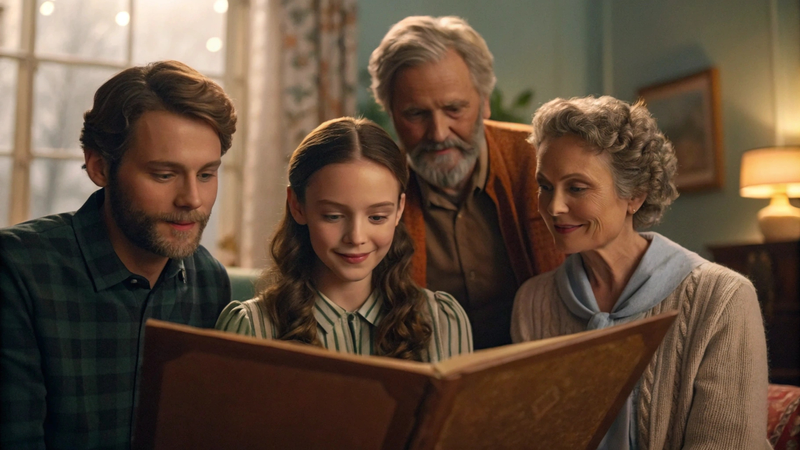
From the dawn of time, humanity has sought ways to preserve the memory of those who have left this world. This universal need to commemorate the dead is one of the oldest and most fundamental features of all cultures – from the first Neolithic tombs to the elaborate necropolises of ancient civilisations. Ancient ways of preserving the memory of loved ones not only reflect the religious beliefs and social structures of their eras, but also form the foundation of the funeral traditions that survive to this day.
Egyptian mummification – the first organised system of memory
The ancient Egyptians created the most advanced and systematic way of preserving the memory of the dead in human history. Mummification, whose beginnings reach back to around 2800 BC – though it achieved true perfection only in the times of the Fourth Dynasty (c. 2600 BC) – stemmed from a deep conviction that preserving the body was crucial for the continuation of life in the afterworld.
The mummification process – up to seventy days to eternity
The Egyptian embalming process was extraordinarily complex and could last up to 70 days. It began with the removal of the brain through the nose and of the main internal organs, which were placed in special vessels called canopic jars. The body was then dried with natron – a natural moisture-absorbing mineral. It all ended with careful wrapping in linen bandages, with amulets and spells written on the bandages themselves.
Herodotus, in his account from the 5th century BC, mentions three different categories of mummification at different costs – the most expensive for the elite, a middling one for the middle class, and a basic one for the poorer. This gradation shows that even in antiquity there was a democratisation of funeral practices, though limited to certain social strata.
The social aspects of mummification
In the Middle Kingdom (around 2040–1640 BC), mummification indeed began to be practised by the middle classes, not only the elite. This process is called the "democratisation of religious beliefs", yet it never reached the poorest strata of society, whose bodies were buried simply, without embalming. Even the embalmers who prepared mummies for others were often "too poor to build a House of Eternity for themselves".
Greek traditions – ritual as art
The ancient Greeks developed their own, highly ritualised approach to commemorating the dead, which consisted of three precisely defined stages.
The three-phase funeral ritual
Prothesis (laying out of the body) – the deceased was washed, anointed with oils and dressed in white robes. The body was laid out in the family home for one or two days, during which relatives and friends could pay their last respects.
Ekphora (funeral procession) – a solemn procession that led the deceased to the place of burial. The procession consisted of family, friends and sometimes hired mourners who wept loudly for the deceased.
The ceremony at the burial site – included cremation or burial and a libation (offering of liquids) at the grave. The family regularly returned to the grave to make offerings and continue their bond with the deceased.
The Greek approach to memory
The Greeks believed that a proper funeral was necessary for the peace of the soul in the afterlife. An inadequate burial could cause the soul to wander aimlessly, disturbing the living. This belief in the necessity of proper rites had a lasting influence on European funeral culture.
Roman rites – organisation and pragmatism
The Romans developed a different, more pragmatic funeral system that clearly separated the world of the living from the dead. Their approach was characterised by greater organisation and legal regulation than the Greek traditions.
Roman organisation of the necropolis
Roman law forbade burials within the city limits, so graves were placed along the main roads leading out of the cities. This practice served not only hygienic purposes but also created natural "avenues of memory", where travellers could read the tomb inscriptions and learn the history of the dead.
Elaborate ceremonies
Roman funerals of the elite were marked by extraordinary pomp. A funeral procession could number hundreds of participants, including actors dressing up as the deceased's ancestors and acting out scenes from their lives. These theatrical performances served not only to honour the deceased but also to strengthen the prestige of the whole family.
The lasting legacy of Roman traditions
The Roman way of organising funeral space had a fundamental influence on European cemetery culture. The Romans introduced the concept of separate necropolises, the systematic cataloguing of graves and durable tomb inscriptions, which served as the first "profiles" of the dead – containing information about their life, achievements and family.
Slavic traditions – a bond with the ancestors
On Polish lands, before the adoption of Christianity, there were rich funeral traditions connected with the cult of ancestors, many aspects of which survive to this day.
Dziady – the Slavic festival of the dead
The Slavs practised feeding the spirits of the dead by preparing memorial feasts, setting up tables in the central part of the village, on its outskirts or directly in cemeteries, depending on local traditions. These feasts, called "dziady", took place several times a year and were meant to maintain the bond between the world of the living and the dead.
The symbolism of fire and light
An important element of Slavic traditions was the lighting of fires in places associated with the dead. Fire was meant not only to light the way for the spirits of the dead but also to protect the living from evil forces. This tradition survives to this day in the form of lighting grave lights (znicze) on graves during All Souls' Day and All Saints' Day.
The Slavic philosophy of death
For the Slavs, death was not the end but a passage to another state of existence. Deceased ancestors remained active members of the community, influencing the fate of their living descendants. That is why it was so important to maintain good relations with them through regular feeding, remembrance and calling on their help.
The medieval transformation – Christianity vs. pagan traditions
The adoption of Christianity brought a fundamental change in the approach to death and the commemoration of the dead, yet this process was long and not always effective.
The Church's active struggle against pagan practices
The Church actively fought pagan practices, introducing new, Christian forms of funeral rites. Loud lamentation was replaced by the reading of psalms, the pomp of funeral processions was limited, and traditional funeral feasts were transformed into masses celebrated in cemeteries.
The clergy often preached against "pagan superstitions", such as leaving food on graves or calling on the spirits of the dead. New Christian holidays were introduced to replace the pagan dziady – All Saints' Day and All Souls' Day.
The survival of old traditions
Despite official bans and the Church's active struggle against pagan customs, many old traditions survived as a parallel folk practice. Even in the 13th century, amulets and censers were found in graves, which shows that the tradition of placing objects in graves persisted long after the introduction of Christianity.
People often continued the old practices, merely adapting them to Christian forms – for example, instead of feeding the spirits of ancestors, they began to pray for souls in purgatory, but still left food on graves "for the poor".
Religious syncretism
Ultimately a kind of religious syncretism developed, where Christian and pagan elements coexisted side by side. The pagan fires on graves transformed into the Christian tradition of lighting grave lights, and the dziady became All Souls' Day – while preserving many elements of the original beliefs.
The development of cemeteries as organised places of memory
The Middle Ages also brought a fundamental change in the organisation of funeral space, which had a lasting influence on modern necropolises.
From burials by churches to separate necropolises
Initially, Christians buried their dead by churches, in the immediate vicinity of the place of worship. This practice stemmed from the belief that closeness to a holy place ensured greater chances of salvation. However, as city populations grew and the number of dead increased, burials by churches became impractical and unhygienic.
Gradually, separate necropolises began to be created outside the cities, which nevertheless remained under the Church's control. These first organised cemeteries laid the foundations for modern necropolises.
The first durable monuments and epitaphs
With the development of separate cemeteries, the first durable monuments and epitaphs appeared. They served not only to mark graves but also as carriers of information about the lives of the dead – containing names, dates, sometimes an occupation or achievements.
These medieval epitaphs can be regarded as the first "profiles of the dead" – like modern Memory Profiles, they contained key information about the life and personality of the deceased, available to anyone who visited the grave.
Social hierarchy in the cemetery space
Medieval cemeteries reflected the social hierarchy – the most exalted monuments went to rulers and clergy, more modest ones to townspeople, and the poorest were buried in mass graves. This tradition of differentiating forms of commemoration according to social status has survived in various forms to this day.
The legacy of ancient traditions in the present
An analysis of ancient ways of commemorating the dead shows that the basic human needs connected with preserving the memory of loved ones have remained unchanged for thousands of years. Egyptian mummification, Greek rituals, the Roman organisation of necropolises, the Slavic dziady or medieval epitaphs – all these traditions share one common feature: the desire to preserve a bond with the dead and to pass on their memory to future generations.
From physical keepsakes to digital profiles
The Victorian lockets with portraits of the dead, which we will write about in the next article, are a natural evolution of the ancient practices of creating physical keepsakes. Modern takzyli.pl Memory Medallions, although they use an entirely different technology – metal plates with a QR code giving access to digital memories – serve the same fundamental purpose as Egyptian canopic jars, Roman epitaphs or Slavic offerings on graves.
Continuity of needs, evolution of tools
The history of ancient ways of commemorating the dead is a history of the continuity of basic human needs alongside the evolution of the available tools and technologies. From Egyptian hieroglyphs on sarcophagi, through Roman tomb inscriptions, to modern QR codes – only the ways of encoding and passing on information about the dead change.
This long tradition shows that modern technological solutions, such as Memory Profiles with QR codes, are not a revolution but a natural continuation of the centuries-long search for ever better ways to preserve the memory of those who have gone. In this way, every modern grave with a Memory Medallion becomes part of an unbroken, universal history of the human need to commemorate loved ones – a history that has lasted since the times of the first Egyptian mastabas and will last as long as humanity exists.
In the next article in this series we look at the Victorian revolution in the culture of mourning and at how photography changed the ways of commemorating the dead, leading to modern forms of digital memory preservation.
Recommended articles
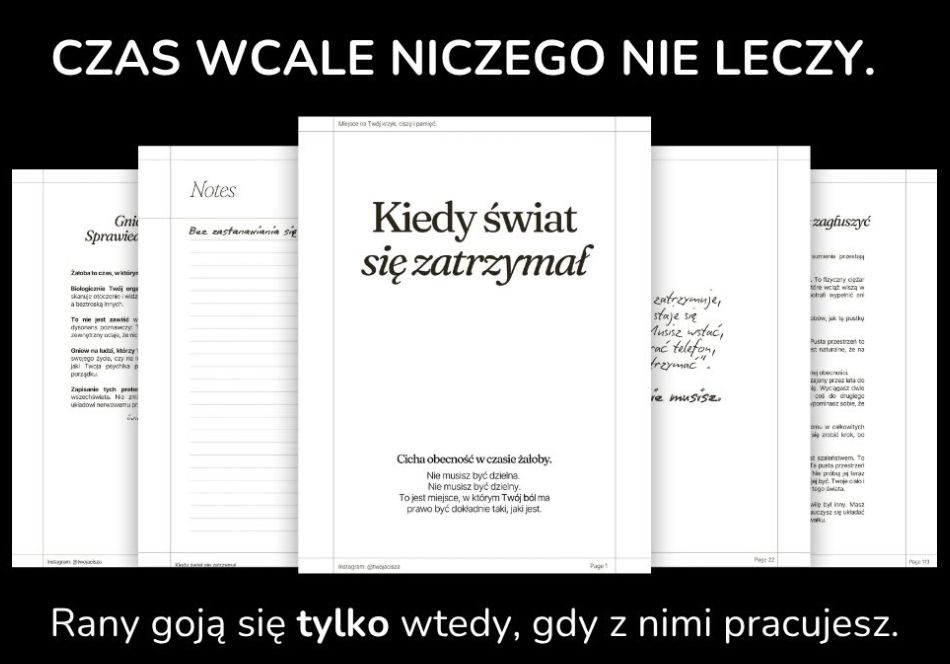
Twoja Cisza – a conversation about grief. Plainly and concretely.
An interview about grief, experiencing loss and the workbook “When the world stopped”. How to cope with guilt, helplessness and everyday life after a loved one's death.
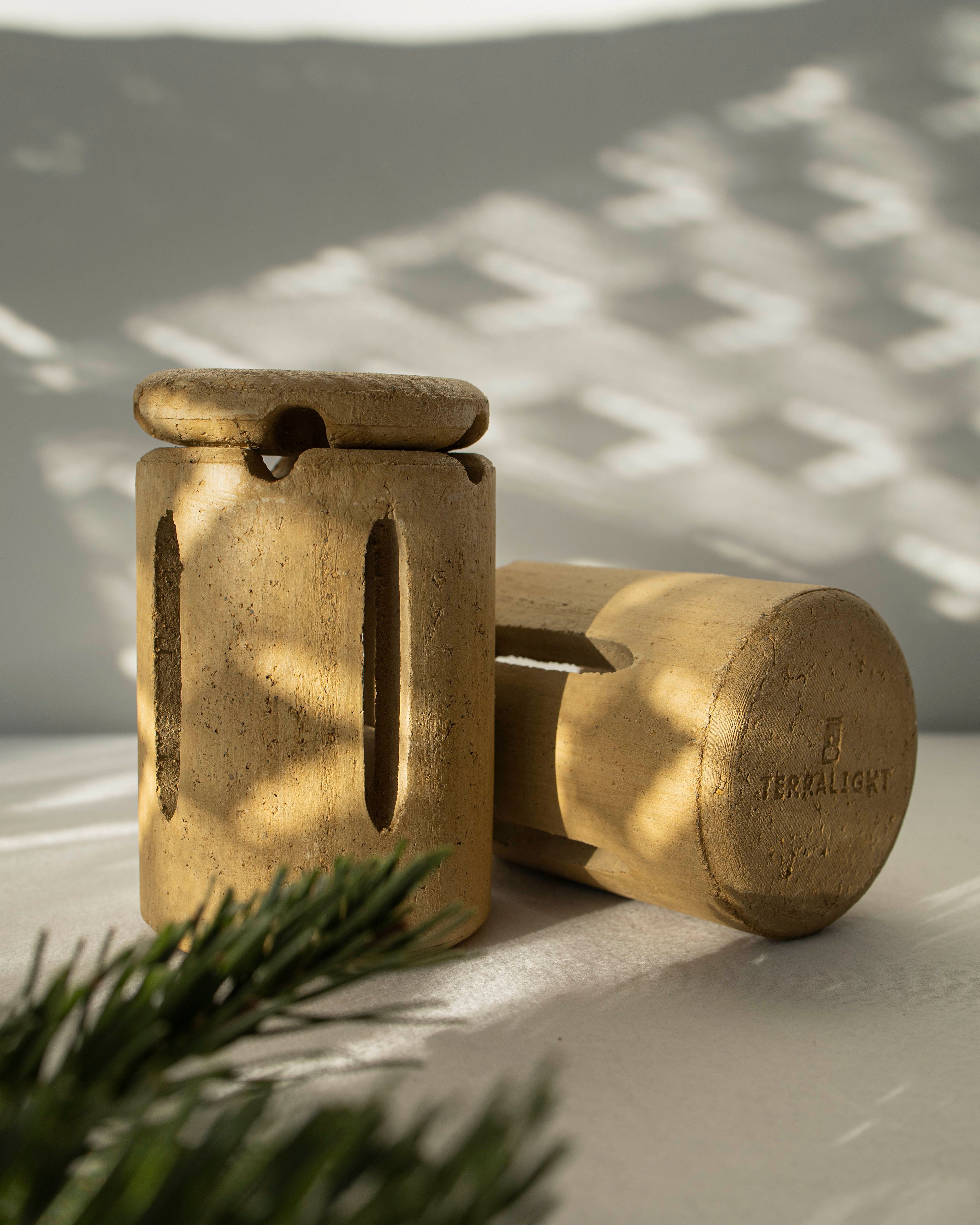
Eco-friendly grave lights – a conscious future for cemeteries?
Discover the TerraLight initiative and learn how eco-friendly grave lights help reduce cemetery waste, combining tradition with care for the environment.
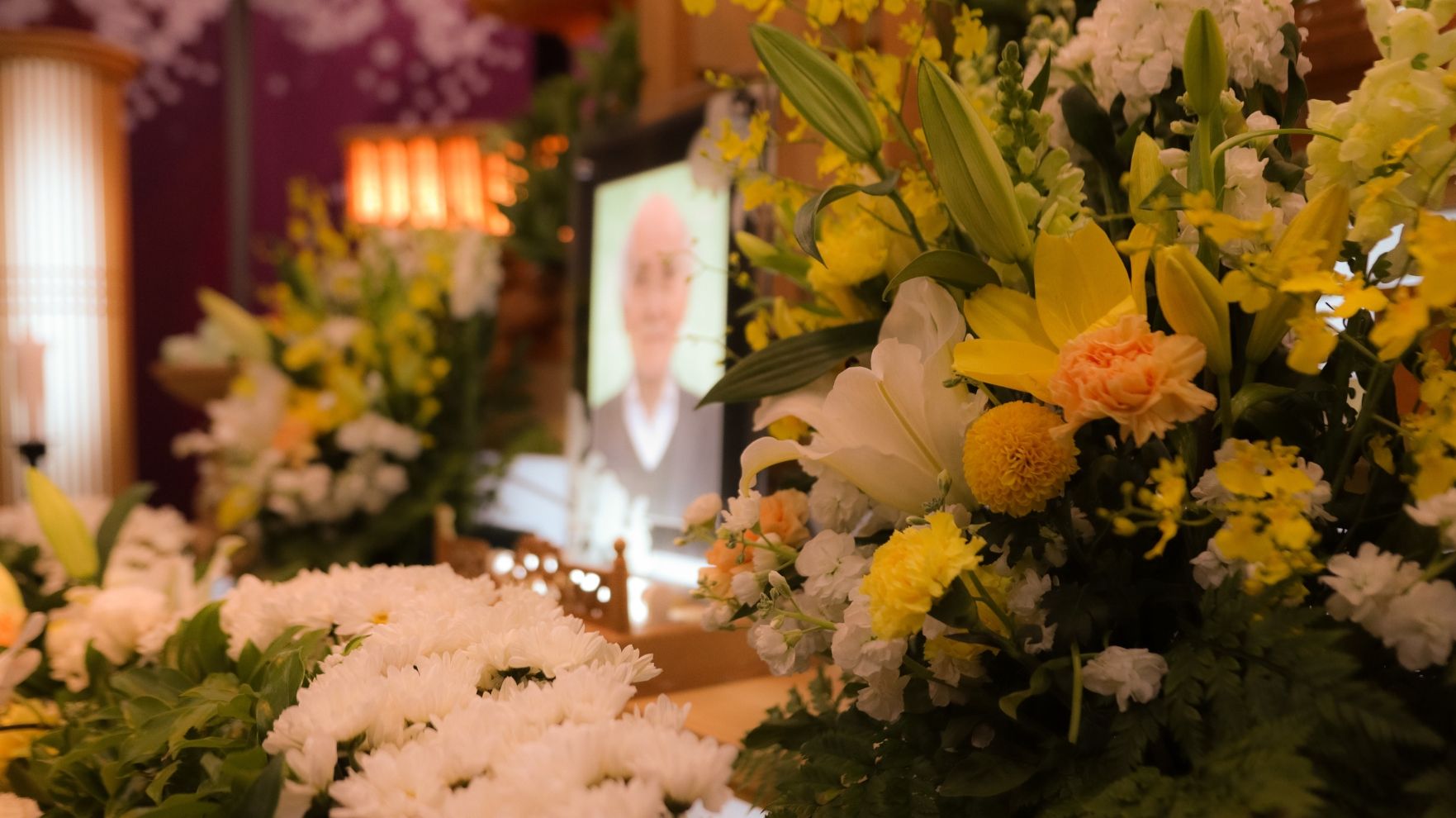
Humanist funerals – why are they growing in popularity?
Learn what humanist funerals are and why they are growing in popularity. Discover how a secular ceremony unfolds and the modern forms of remembrance.