
How to organise a special funeral? – an interview with master of ceremonies Magdalena Wesołowska
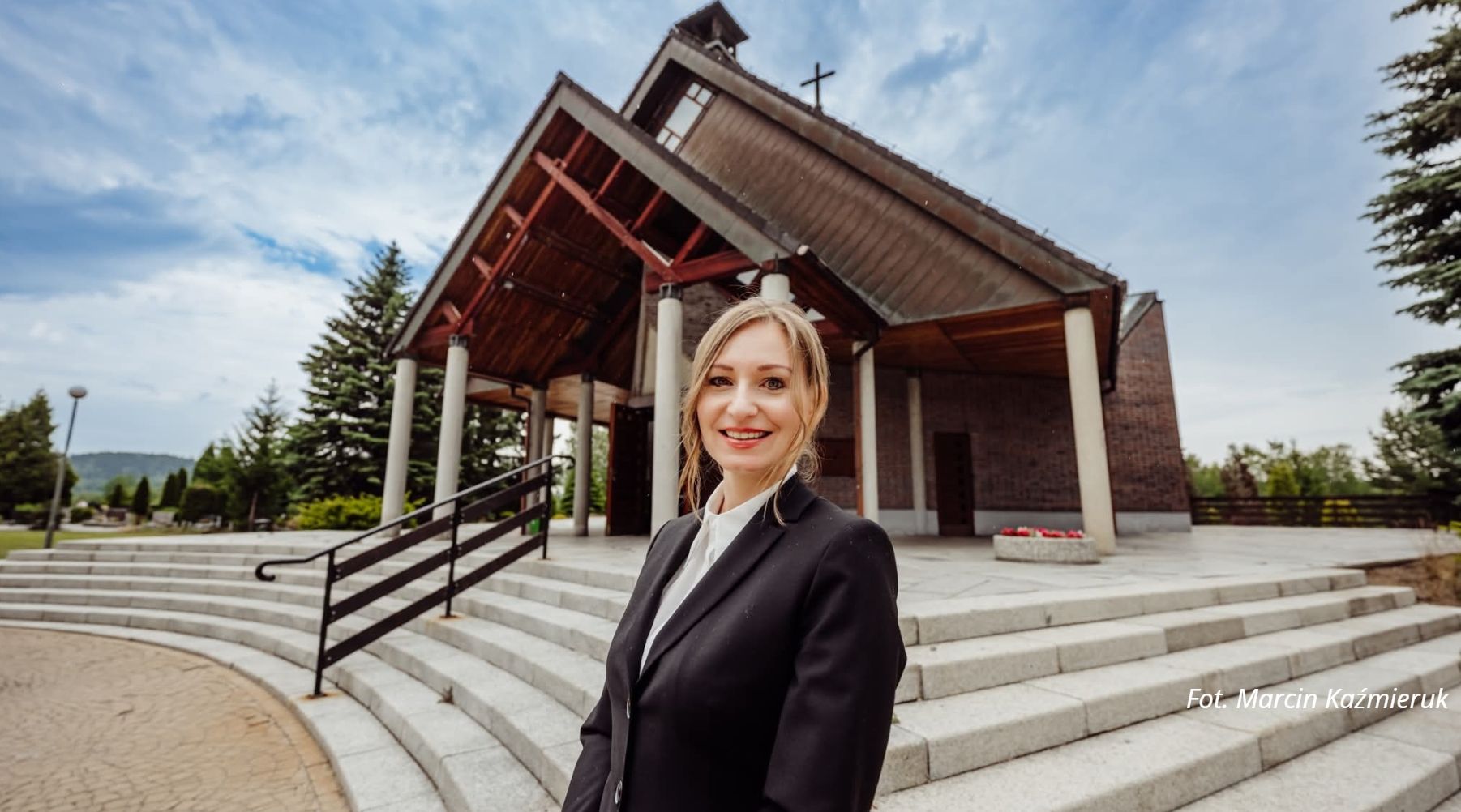
TakŻyli: Someone very close to me has died. I'm the person who will be organising the farewell. I'd like the funeral ceremony to be special. What will my first meeting with the celebrant look like?
Magdalena Wesołowska: The first contact (not yet a meeting) will take the form of a phone conversation. Many funeral homes have my business cards, but increasingly the bereaved contact me directly online. During the first conversation I first listen, and then explain in detail what the ceremonies I lead look like. In such a special situation, I want the person organising the farewell to already know everything in advance, including the costs, which gives a sense of security that everything will be tailored "made to measure". I also suggest additional elements that can enrich the ceremony – these can be letters, music, multimedia presentations, anything that would emphasise the character and last wishes of the person we are bidding farewell. If possible, we meet for a conversation over coffee, which I value greatly, but most often we are helped by a special questionnaire that the bereaved fill in themselves.
TŻ: Do loved ones willingly share personal stories and describe the deceased?
MW: I'm fortunate that the bereaved open up to me, telling me about the deceased's life. In truth it is the bereaved who decide how far they let me into their world and how much information I should receive. In most cases, though, these accounts are full and deep.
TŻ: How do you prepare for a specific farewell?
MW: First – a conversation, then a meeting or the questionnaire. Once I've gathered the information I need, I set about writing the eulogy. There are no two identical eulogies, just as there are no two identical life stories. Together with the family we choose the music and the additional elements, and if we are bidding farewell to a well-known, recognisable person, I try to get even more closely acquainted with elements of their professional career or their achievements on my own. After writing the speech, I send it to the family for approval. I believe a farewell should take the form of a script, because at such a moment there should be no surprises. The bereaved know the outline of how the ceremony will unfold.
TŻ: Do you remember the first ceremony you led? What emotions accompanied you then?
MW: I remember my first ceremony perfectly. It took place a little over a week after I handed out my business cards to funeral companies. I didn't feel stress; as always, I was able to control my emotions. Afterwards I felt that I had found my calling, and I was already certain that this was my mission.
TŻ: Are there stories of the dead that will stay with you for a long time? Ones that have particularly stuck in your memory?
MW: Every story is unique, but a few have particularly stayed with me, and when I think of those people, the image of that ceremony returns at once. Each of them had a different reason for its uniqueness. I remember well the farewell of a well-known person who died tragically. I also remember another ceremony because of the setting we created together with the bereaved in the chapel. It was a gallery of paintings, like in an art gallery. Another was the tragic life story of a young girl who died suddenly. There are many memorable ceremonies. I am only human, and sometimes, inwardly, I cannot come to terms with the twists of fate.
TŻ: What kind of farewells do you lead most often? Does a celebrant work with a priest – do you complement each other during the ceremony – or do you deal exclusively with secular/humanist funerals?
MW: The vast majority of ceremonies are typically secular farewells. It does happen, however, that a family wants to combine the story of their loved one with a religious rite. Then my speech is woven into the Holy Mass, most often at the very beginning of the farewell. There are also ceremonies of other faiths. There are multi-faith families who choose a ceremony of the most neutral possible character.
TŻ: What does your cooperation with a funeral home usually look like? Do you jointly determine the course of the ceremony?
MW: Cooperation with funeral homes is very important. When a family comes to the funeral home and suggests a secular or mixed character for the ceremony, they most often receive my business card. The most important thing is to jointly set the date of the farewell, so that work on the ceremony's setting can begin without delay. I discuss the course of the ceremony itself with the family later, since there is usually no need to involve the funeral company in writing the speech, creating the presentation or the additional elements that complete the whole ceremony. I can safely say that funeral companies willingly recommend me as an experienced and professional person.
TŻ: In your opinion, is Poland a country of people who can talk about death and grief?
MW: Definitely not. Yet I very often hear that the questionnaire the family fills in is a wonderful way to return to the past and to memories, mainly the positive ones. Conversations with the family help them come to terms with the fact that their loved one is departing, which is one of the stages of grieving. People cannot talk about death, as if it did not exist. However, when I can meet the family, everything changes. A whole range of emotions comes in – laughter, tears, difficult confessions, expressions of gratitude. For many people such a conversation is like a therapy session. I always want the bereaved to feel solace after I leave, and to have a sense that everything will be all right. Emotions, conversations and honest reactions should not be feared. They cleanse us. I greatly value those meetings where death turns into a memory, remembrance, a keepsake in the heart, and warmth.
TŻ: Have you observed a change in the approach to funeral ceremonies in recent years?
MW: Definitely yes. The sight of a secular marker in cemeteries is becoming more and more common; people are no longer afraid of others' judgement. What pleases me most is that families organise the kinds of farewells their loved ones spoke of while still alive. They want to fulfil their last wishes, and in doing so show them the greatest respect.
TŻ: How do you see the role of digital forms of commemorating the dead, such as digital biographies with a QR code on the headstone?
MW: Let me start with what I often repeat. Technology is my ally, even though farewell ceremonies are associated with tradition. I believe that technological innovations make it possible to create things that were not possible before. When I first saw a QR code on a headstone in person, I immediately ran over with my phone and scanned the code. On the phone screen a list of tracks on YouTube appeared – probably the favourite songs of the girl who had been bid farewell. It's a beautiful keepsake for everyone who visits the cemetery and a way to honour the deceased's life. Thanks to such a simple solution we can enter the world of a real person, who ceases to be just an engraved name with a date on a headstone. They come to us anew, inviting us into their world. A stylish medallion with a QR code is one of the most interesting new solutions, and I have no doubt it will grow in popularity. I'll ask for one too, and my loved ones will place photos there – and perhaps my beloved music (because almost anything will surely be possible).
TŻ: In your opinion, do such solutions help in the grieving process?
MW: Definitely yes. When we visit a loved one at the cemetery, we often talk to them, we give ourselves to reflection – as if they really heard and saw us in that place. And we, in turn, can "bring them back to life" each time we visit the grave.
TŻ: What have you learned about people who experience the loss of a loved one?
MW: I've learned that they are people sensitive to emotion, who grant me enormous trust. I do everything I can not to betray that trust. The second thing I notice is that, despite the pain of loss, the bereaved want the master of ceremonies to be charismatic and able to comfort them. And my principle is to provide that comfort. I try to give support, I take the family firmly by the hand and, with a smile, I say: "We'll get through this together." Most often it is the case that at the start of the conversation the bereaved are withdrawn and sad, and when the conversation ends they can smile, joke and tell each other that it will be all right. The one who departs would want our hearts to be full of beauty and colourful memories, not sorrow.
TŻ: What single sentence would you like to convey to people who face the necessity of bidding a loved one farewell?
MW: Let the farewell of your loved one be an expression of your love for them.
TŻ: Thank you for the conversation.
MW: Thank you.
If you wish to create a farewell full of respect, tenderness and beautiful memories, please get in touch with Magdalena Wesołowska.
E-mail: wesolowska.mistrz@gmail.com
https://www.facebook.com/wesolowskamistrzceremonii
Phone: +48 660 326 698
Photo: Marcin Kaźmieruk @marcin4funphotos
Recommended articles
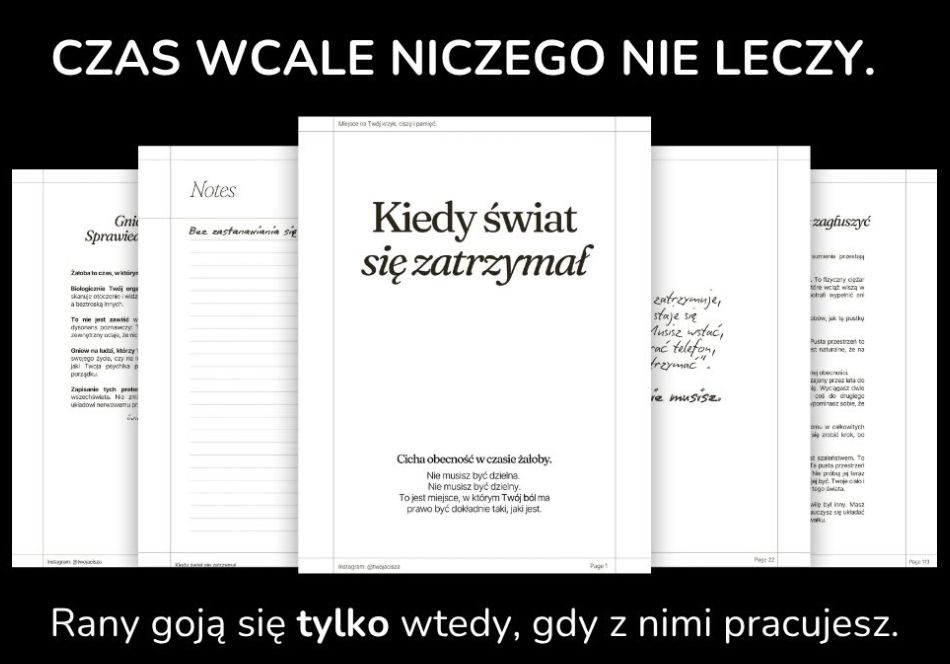
Twoja Cisza – a conversation about grief. Plainly and concretely.
An interview about grief, experiencing loss and the workbook “When the world stopped”. How to cope with guilt, helplessness and everyday life after a loved one's death.
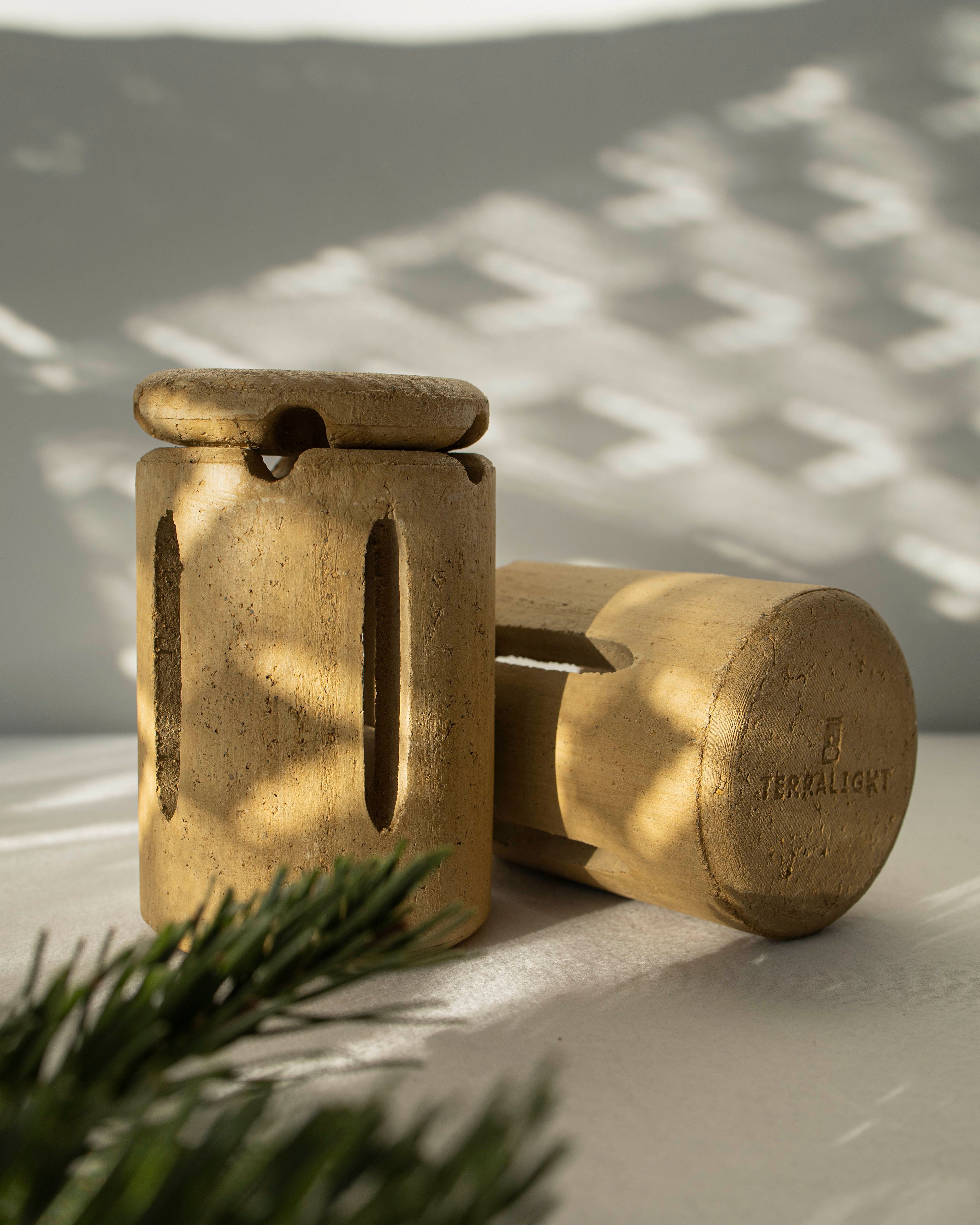
Eco-friendly grave lights – a conscious future for cemeteries?
Discover the TerraLight initiative and learn how eco-friendly grave lights help reduce cemetery waste, combining tradition with care for the environment.
Humanist funerals – why are they growing in popularity?
Learn what humanist funerals are and why they are growing in popularity. Discover how a secular ceremony unfolds and the modern forms of remembrance.