
What happens to social-media accounts after death? – discover digital burial.

Digital burial – why it's worth taking care of the digital trace left by a person who has died
Only a dozen or so years ago, what remained after a loved one's death was mainly memories, documents, photographs and material property. Today almost every one of us also leaves behind an extensive digital trace. It includes social-media profiles, e-mail accounts, subscriptions to streaming platforms (Netflix, Amazon Prime, Spotify and others). It also includes photos stored in the cloud, shopping accounts (e.g. on Allegro) and a history of activity across many online services.
As our lives become increasingly digitised, the topic of digital burial – organising and securing a deceased person's digital image – takes on ever greater importance. It is not only a matter of tidiness, but above all of security, of protecting the memory of the deceased, and of peace of mind for their loved ones.
Digital life does not end on its own.
After a user's death, their profiles and online accounts often remain active for many months, even years. On Facebook in Poland, around 250,000–300,000 accounts belonging to deceased people become "active" accounts each year. The total number of deceased people's accounts is currently estimated at over 2 million. Facebook, Instagram, LinkedIn, TikTok, YouTube and Google accounts continue to store data, photos, messages and information about a person's activity. An account that is not closed can still be visited, commented on or tagged. The deceased's image can be misused, because the GDPR (General Data Protection Regulation) does not apply after death.
Many families are not aware that accounts left unattended can create unpleasant situations. Automatic birthday reminders, contact suggestions or active subscriptions become an additional emotional burden for grieving loved ones.
At the same time, access to such accounts is usually difficult. Online services require a death certificate, documents confirming kinship, or appropriate powers of attorney. Each platform has its own procedures and forms, and getting through them on your own can be time-consuming and complicated.
The risks of leaving accounts active
Failing to secure the digital trace of a deceased person can lead to serious consequences. There is a high risk of identity theft. Publicly available photos, personal data and information posted over the years on social media can be used by third parties to impersonate the deceased or their family.
An additional threat is the use of data held in the deceased's accounts by artificial intelligence. The development of AI tools means that photos, voice recordings or video material can be used to create fake content. Unprotected profiles become a source of data that can be used in ways contrary to the family's wishes.
Active subscriptions and accounts on streaming platforms left in place can generate unnecessary costs. Active subscriptions to streaming services, paid apps or data-storage services often remain linked to a bank account. Even after the bank formalities are closed, unpaid subscriptions can become a source of debt for the deceased's family.
The greatest cost, however, may be a violation of the memory of the deceased. Outdated profiles can become a place for unwanted comments, spam or attempts to take over the account. For the family this is often a painful experience and a feeling of losing control over a loved one's digital legacy. In such a situation you should use the help of professionals.
What does a digital-burial service include?
Digital burial is the process of putting in order all the online traces left by a deceased person. Depending on the family's needs, it may include:
closing social-media accounts, memorialising profiles in line with each service's policy, deleting or securing data posted while the account was in use, closing e-mail accounts, ending paid subscriptions, and liquidating shopping accounts and online services.
It is a modern complement to the traditional steps taken after a loved one's death, and is increasingly becoming a standard of responsible management of a digital legacy.
Why is it worth using the help of specialists?
Carrying out the whole process yourself requires contacting many platforms and preparing numerous documents. Deleting a social-media account is not "one click". For those in grief it is an additional burden, for which there is often a lack of time, strength and, above all, the know-how to do it efficiently and reliably.
That is why more and more families choose to entrust this task to professionals. TakŻyli comprehensively handles securing the digital image of deceased people. It spares the family the burdensome procedures. With a single power of attorney, loved ones do not have to contact individual services themselves or analyse their terms and conditions. TakŻyli agrees with the deceased's family on the scope of actions and the list of accounts requiring closure, deletion or deactivation. The necessary documentation is compiled. All required forms are completed and submitted. The progress of procedures on individual services is monitored. The family receives confirmation that all actions have been completed.
Which accounts can be closed or deactivated?
The service covers the most popular platforms and online services, including: Facebook, Instagram, X (Twitter), LinkedIn, TikTok, YouTube, Snapchat, Gmail and Google services, Apple and iCloud, Microsoft and Outlook, Netflix, Spotify, Disney+, HBO Max, YouTube Premium, shopping accounts, online forums, mobile apps and many other services.
If a particular service is not on the list, TakŻyli specialists also help with less popular platforms.
Professional support and security.
A particular value of the service is the cooperation with the Walkiewicz & Pełczyńska Law Firm, which specialises in inheritance law. Thanks to this, all actions are carried out in accordance with the applicable regulations and with respect for the rights of the family and of the deceased.
Digital legacy has become an inseparable part of our lives. Just as we take care of formal and financial matters or the organisation of the funeral, it is also worth taking care of the security and dignified ordering of the digital trace left by a loved one.
Digital burial is no longer the future – it is a necessity of the modern world. It is a way to protect the memory of the deceased, secure their data and give the family peace of mind in a difficult time.
Learn more – https://takzyli.pl/cyfrowy-pochowek
Recommended articles
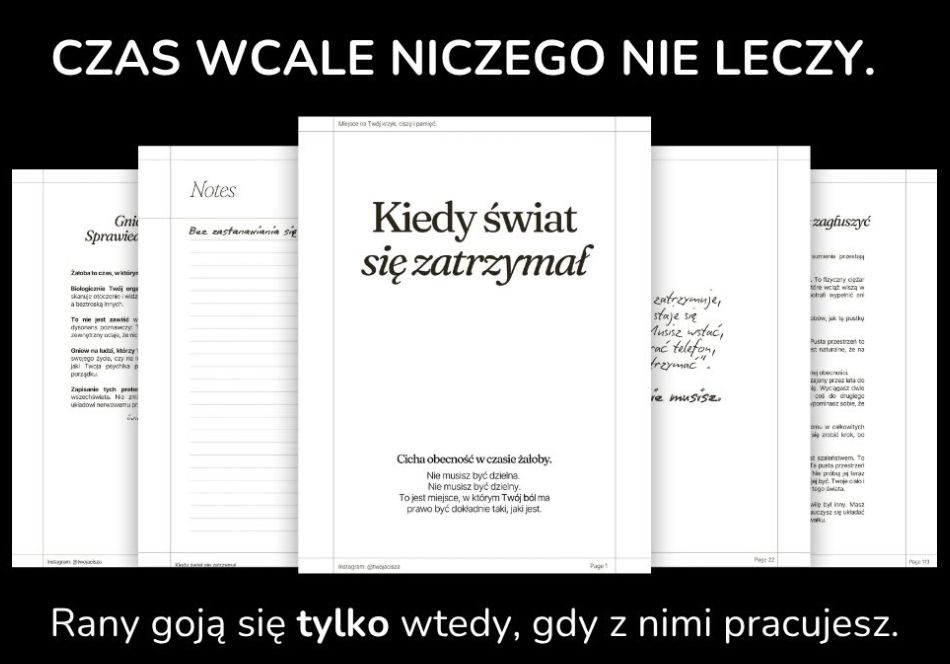
Twoja Cisza – a conversation about grief. Plainly and concretely.
An interview about grief, experiencing loss and the workbook “When the world stopped”. How to cope with guilt, helplessness and everyday life after a loved one's death.

Eco-friendly grave lights – a conscious future for cemeteries?
Discover the TerraLight initiative and learn how eco-friendly grave lights help reduce cemetery waste, combining tradition with care for the environment.
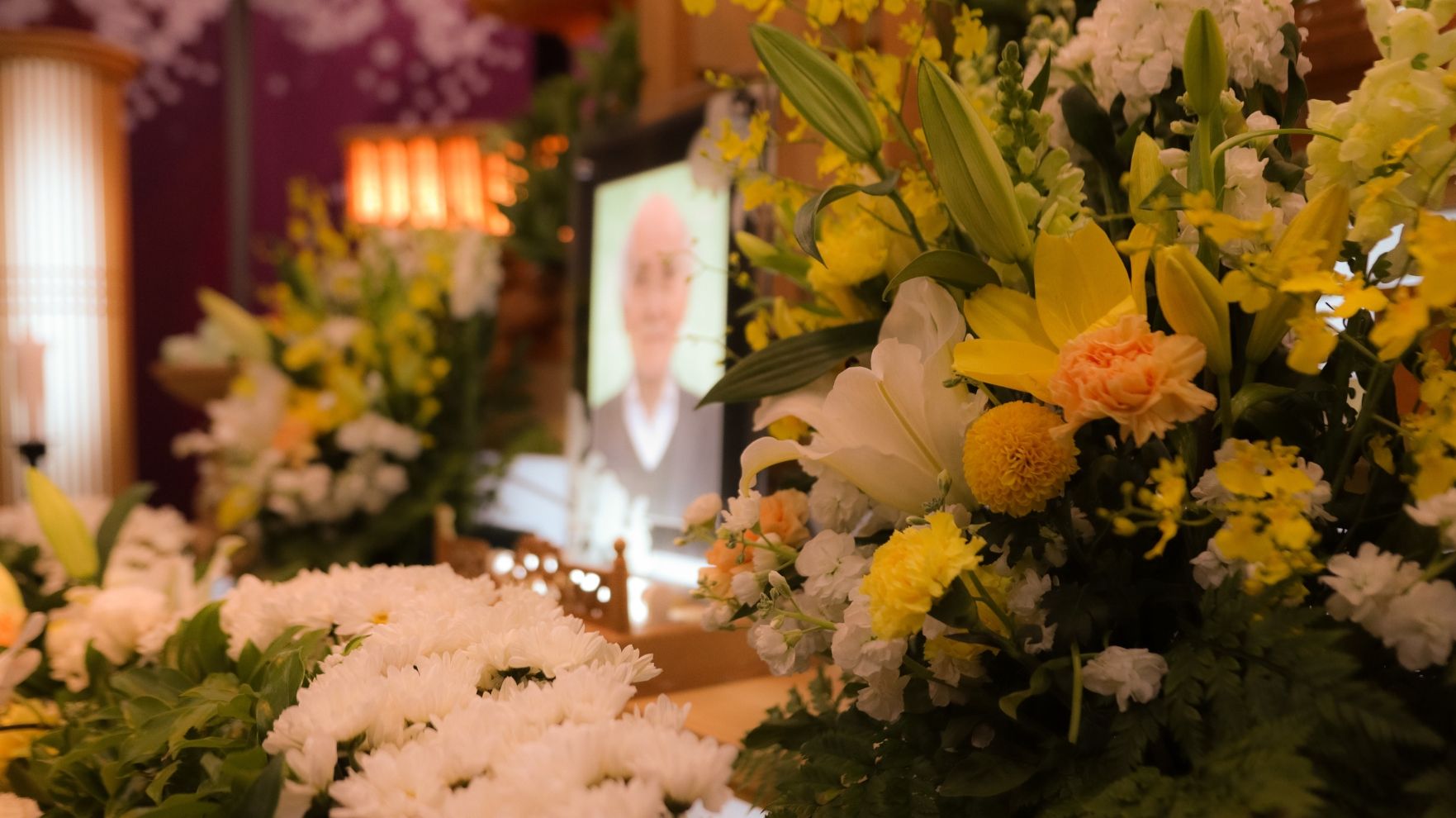
Humanist funerals – why are they growing in popularity?
Learn what humanist funerals are and why they are growing in popularity. Discover how a secular ceremony unfolds and the modern forms of remembrance.