
How to cope after your dad's death? Tender support in grief.
How to cope after your dad's death? Tender support in grief.
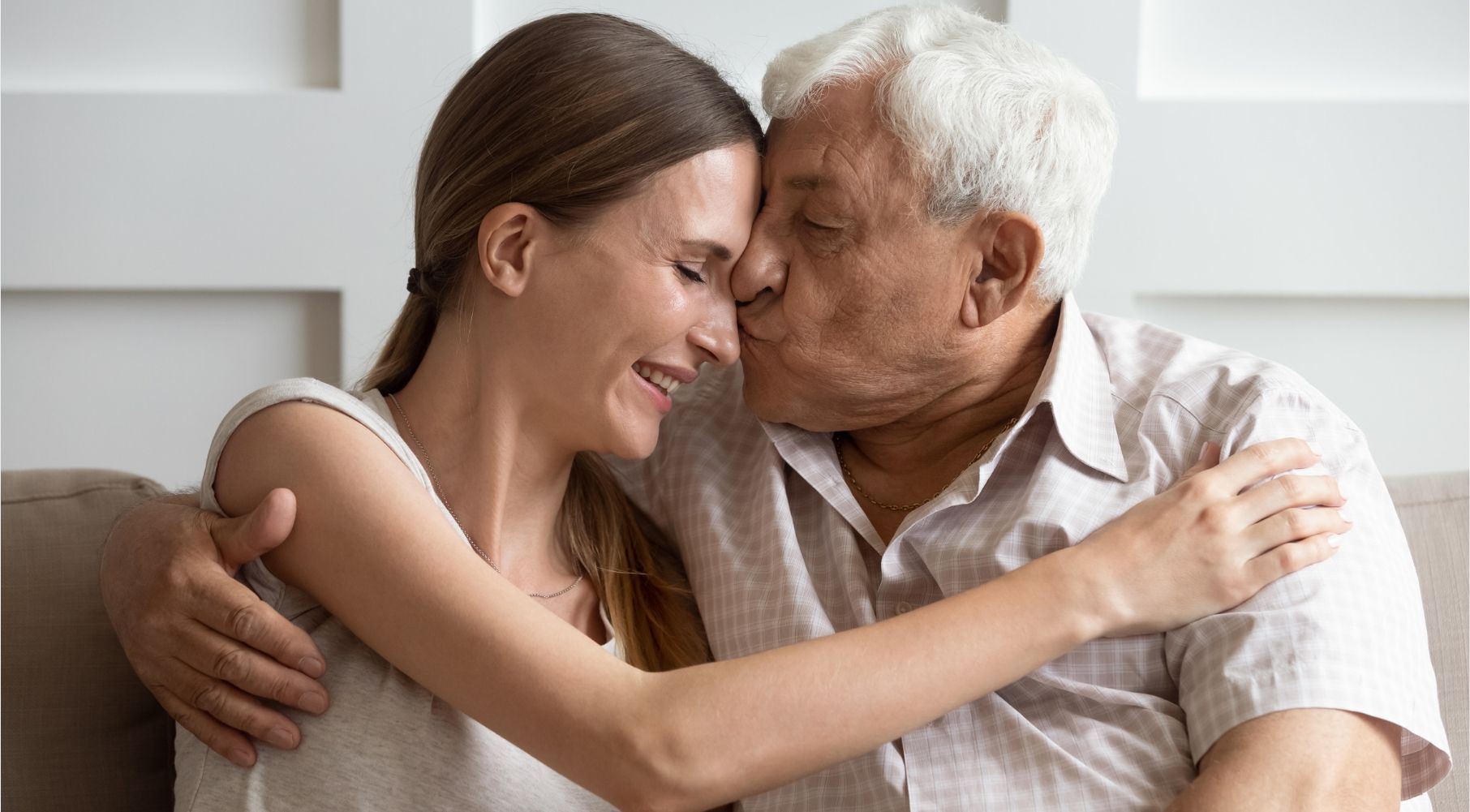
The death of a father is one of the most moving experiences in life. His passing leaves a space that nothing can fill. It is a loss that touches not only memories, but also our sense of security, our identity and our family history. It is a kind of destabilisation. Perhaps we couldn't feel it while he was alive. Often, after a father's death, we feel as though the rock in which we had our quiet, restrained support has suddenly gone.
If you are here, you are probably trying to find your way in this new reality. We are here to keep you company through it.
Grief for a father – each one is different.
Your relationship with your dad was yours – unique and unrepeatable. That is why your grief is too.
There is no single "right" way to grieve the loss of a loved one. Nor is there a formula for grieving a particular family member. It all depends on the one-of-a-kind bond that connected you with the person who has gone. The relationship need not have been intense or full of regular meetings. We don't measure a bond by the number of conversations or phone calls. It is something that cannot be counted.
Now that your dad is no longer with you, you may feel deep sadness – you have every right to. Allow yourself, then, to decline a cheerful get-together with friends. You may not feel like watching a comedy with your partner or some other entertainment on TV. Give yourself time for calm, and for the rebound from sadness to come naturally – without imposing a timeframe on yourself or telling yourself there's a date after which grieving is no longer appropriate.
You may feel emptiness. Research shows that our heart – responsible above all for pumping blood around the body – physically feels emotional storms. The feeling of emptiness in the heart is therefore a real chemical reaction that can take place in your body.
You may feel relief. That, too, is natural. If your dad was ill for a long time – even if you did not directly take part in his care – the very fact of a chronic illness in the family affects all its members. It is a situation that weighs on us psychologically and brings worry. During a loved one's illness you share their pain, weakness and the limitations the illness brings.
Relief is felt especially by those who actively cared for the sick person. If that is you, don't feel guilty for feeling relief and for suddenly being able to return to looking after yourself and to matters, or even pleasures, long put off. It's natural that you now feel relief that you can sleep peacefully, that you no longer visit the pharmacy and the clinic in turn every day. You are only human, someone who did a great deal of good so that, on the "home stretch", the sick person could feel dignified and live in the best possible conditions despite a serious illness.
Another emotion that may sit within you is bewilderment. Being disoriented in a new reality and lacking a person you have known all your life is a big change. Picking up the phone meaning to call your dad may leave you confused for a long time. Thinking "what would Dad advise me here?" may stay with you forever.
If you feel that some emotions are hard for you to describe or weigh on you, share your thoughts with someone who may also be feeling low after your dad's death.
Why does it hurt so much?
Because a father is a symbol of security – one of our basic needs, which we need to keep meeting, regardless of age. Dad was someone who was always there. We don't know life without him, no matter how close we were. He is part of our roots, which we also need.
Perhaps thoughts like these accompany you: "I'll never talk to him again", "I didn't get to say everything", "A piece of me left with him". That is natural. Grief is not only longing for a person – it is also the process of learning to live without them.
How to cope after your dad's death?
Allow yourself to feel – without judgement
Don't try to "be strong" at all costs. Cry if you need to. Be silent if you don't have the strength to speak. Your emotions are not a problem – they are a response to love and loss.
Return to memories
Although at first it may hurt, in time memories become a source of warmth. You can: look at photos, recall his words, write down stories from his life, talk about him with loved ones, create a timeless digital biography with a QR code for the headstone, honour the anniversary of his death in a special way. These are ways to keep his presence from disappearing – only changing its form.
Share your grief with others
In a family, everyone experiences loss differently, but it's worth talking to those who also now miss your dad. Reminisce together over coffee about the best moments, and be gentle with one another if someone close grieves differently from you.
Sometimes a single sentence – "I miss him too" – can help a great deal.
Take care of everyday life
In grief it's easy to neglect the basics. Try to eat regularly, get some fresh air and keep a minimal routine. This does not mean forgetting. It is a way to get through the hardest time.
Give yourself time
There is no "deadline" by which you should feel better. Grief changes over time – from sharp pain to longing, and then to a calmer memory. But know that if the sharp pain returns, perhaps in a harder moment of your life, that is natural. Then, too, the best thing is an honest conversation with another person who, for example, knew your dad.
How to preserve the memory of your dad for longer?
Many people are helped not only by grieving, but also by actively nurturing the memory of a loved one. More and more families choose to create digital biographies – places to gather: photos, life stories, professional achievements, passions, memories from loved ones, voice or video recordings.
On takzyli.pl you can create such a biography and link it to a QR code placed on the headstone. Thanks to this, everyone who visits the grave can scan the code and see who the person was – not just two dates, but their life full of colour.
Creating a memory page for your dad will help you focus not only on his passing, but on what his life looked like. Very often this process also brings the family closer together.
There is no way to "stop missing" your dad.
But in time you can learn to live so that this longing is not only pain, but also a reminder of love.
Your dad lives on in your gestures, in the words you took from him and in the values he passed on to you. And, through consciously nurturing memory, also in the stories you will leave to the next generations. For life does not end at the moment of death.
It ends only when we stop telling its story.
With wishes of strength,
The TakŻyli team.
Recommended articles
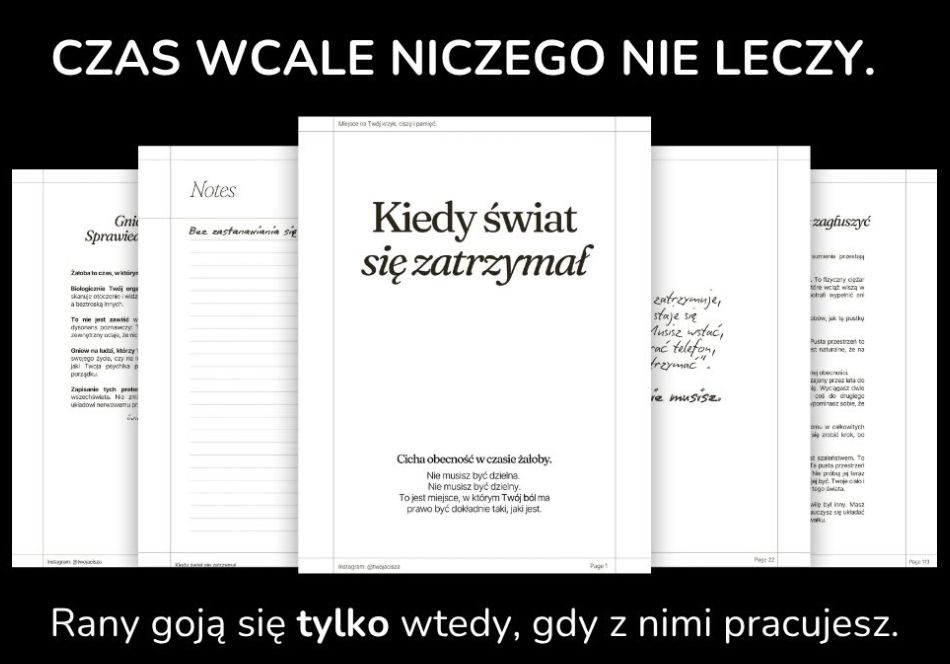
Twoja Cisza – a conversation about grief. Plainly and concretely.
An interview about grief, experiencing loss and the workbook “When the world stopped”. How to cope with guilt, helplessness and everyday life after a loved one's death.

Eco-friendly grave lights – a conscious future for cemeteries?
Discover the TerraLight initiative and learn how eco-friendly grave lights help reduce cemetery waste, combining tradition with care for the environment.
Humanist funerals – why are they growing in popularity?
Learn what humanist funerals are and why they are growing in popularity. Discover how a secular ceremony unfolds and the modern forms of remembrance.