
How to cope after your mother's death?

When your mum is gone — how to go through grief with tenderness for yourself
There are losses that change everything. The death of a mother is one of those experiences that touch our deepest layers. No matter the age at which we lose her, we often feel as though something fundamental has suddenly vanished – a blissful sense without which it is hard to face reality, and a safe place to which you could always return.
If you are in this place, it's worth saying plainly – what you feel matters, and it has the right to be this hard.
What you may feel after your mother's death.
Grief is not an orderly process. It does not run in a straight line. It can resemble waves. Sometimes they are calmer, sometimes they suddenly strike you with enormous force.
You may experience deep sadness and longing that appear unexpectedly. They will be triggered by particular smells, familiar melodies or places you visit. You will surely experience a sense of emptiness, as if the world had lost its former shape. That is natural; physically, after the loss of a very close person, the chemistry in our body changes. It feels exactly like emptiness.
Don't be surprised if anger or rebellion overcomes you. After all, "something" important was taken from you, and you did not consent to it. On the other hand, self-blame is no stranger to grief – for words left unsaid; for moments you'd like to have lived quite differently and to replay once more. If you feel guilt and the urge to cry, then cry. Cleanse yourself; give vent to what is gathering inside you.
Some people also turn to stone. Emotionally indifferent, they fall into a state of numbness. This does not mean you loved less. It's simply how you cope with the shock you are going through.
It's for you to decide whether, in grief, you need the closeness of others. Perhaps temporary seclusion and withdrawal from social contact will be a better solution for you and will let you put the new reality in order without disturbance from other people's energy.
All of this belongs to grief. There is no "right" way to grieve the loss of a mother.
Small rituals that can help carry the grieving process.
In grief it's important not only to "cope", but also to allow yourself to be in a relationship with memory. Rituals don't remove pain or piercing sadness, but they help you come to terms with it.
1. A daily moment for Mum
Find a few minutes a day to think of her consciously. You can light a candle, sit in silence, say a few words to her. This builds a calm, inner bond that does not end with her passing. You can give yourself to prayer or contemplation.
2. Writing letters
Write to your mum as if she could still read your words. Tell her what is happening, what you are going through, what you miss, what you are grateful for. It is a simple but deeply moving way to express emotions and put your thoughts in order.
3. A memory box
Gather objects you associate with your mum — photos, small things, notes. It is a physical place of memory you can return to whenever you feel the need.
4. Continuing her little customs
Maybe there was a dish she made, her favourite tea, a place for a walk, a spot in a café, a way of spending Sundays, a gesture that was "hers". Gently introducing these elements into your life can give a sense of continuity and a delicate way of honouring her life.
5. Creating a digital biography of your mum
More and more people find solace in grief by building a living space of memory online. One such solution is creating a digital biography that tells how beautifully your loved one lived. It is a place where you can gather photos and films, record memories – your own and others' – and tell your mum's life story in the way that best captures her uniqueness.
Such a memory page is not a closed chapter. You can edit it at any time, add new content and return to it whenever you feel the need. That matters, because grief changes, and with the passing of time so does the way we remember.
An additional, very symbolic element is the option to place a QR code on the headstone or in the columbarium, leading directly to the biography you have created – a kind of tribute to your Mum. Thanks to this, you can share the memory of your Mum with everyone, or with only chosen people, via a link.
6. Taking care of your body
Grief is not only emotions – it is also an enormous physical burden. Sleep, food and movement, even in minimal form, help maintain balance when everything else seems disturbed. So take care to eat regularly and to gently stay active.
7. Talking to someone you trust.
You don't have to go through grief alone. Sometimes one person is enough – someone with whom you can be without masks and without having to "hold it together". For some it will be a friend, for others a family member who shares your loss. Often the death of a Mum brings siblings closer or strengthens the relationship with the other living parent. Contact with loved ones can help you share your sorrow and your refusal to accept the new reality – but if you feel that every conversation with someone who knew your mum is a burden, give yourself time.
Finally
Love for a mother does not disappear when she is gone. It changes its form — it becomes quieter, more inward, but still present.
Grief is not something you have to "go through and finish". It is the process of learning to live, in a new way, with love for the person who has passed.
And if today is very hard, that too is part of this path and of learning a new world.
Recommended articles

Twoja Cisza – a conversation about grief. Plainly and concretely.
An interview about grief, experiencing loss and the workbook “When the world stopped”. How to cope with guilt, helplessness and everyday life after a loved one's death.
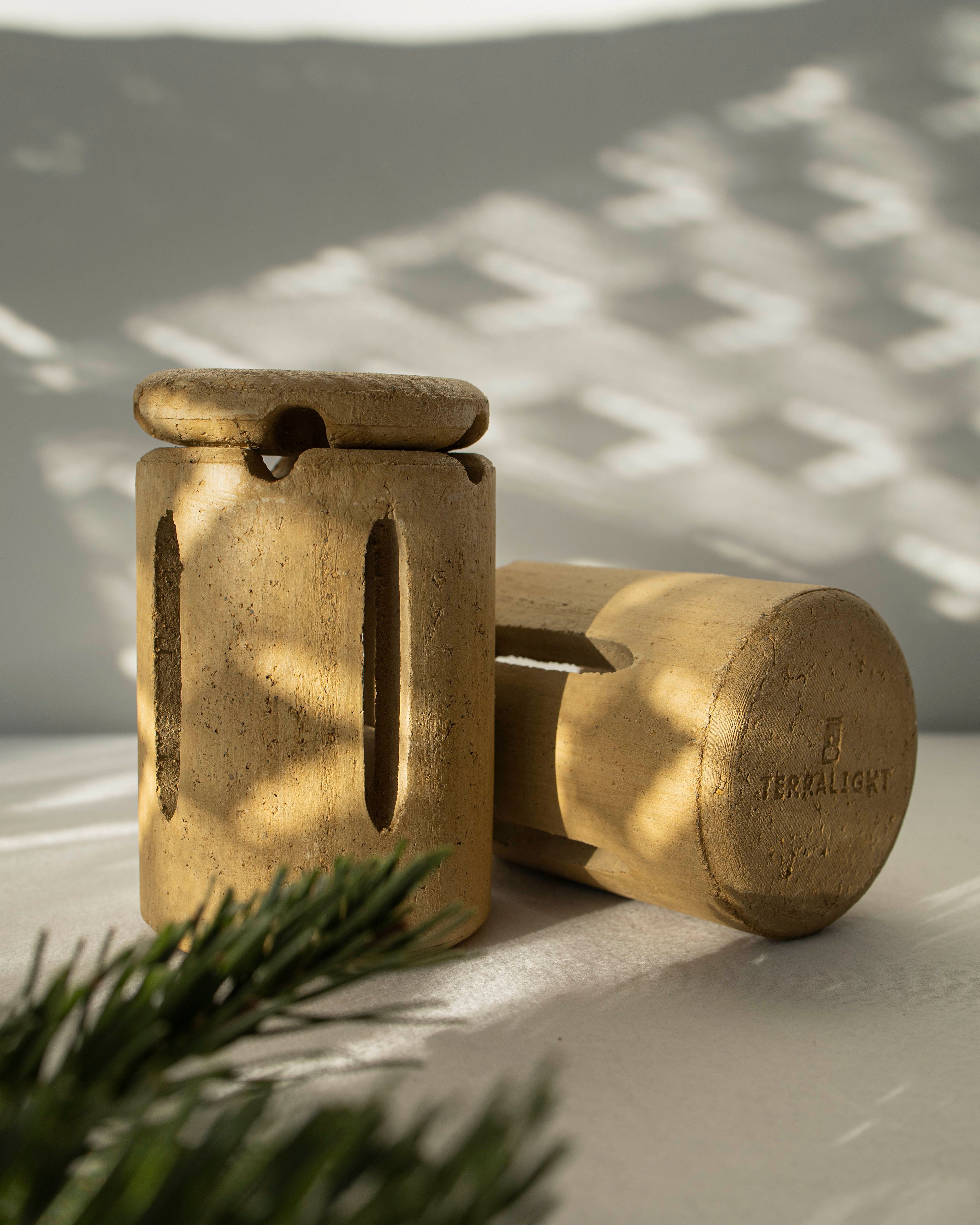
Eco-friendly grave lights – a conscious future for cemeteries?
Discover the TerraLight initiative and learn how eco-friendly grave lights help reduce cemetery waste, combining tradition with care for the environment.
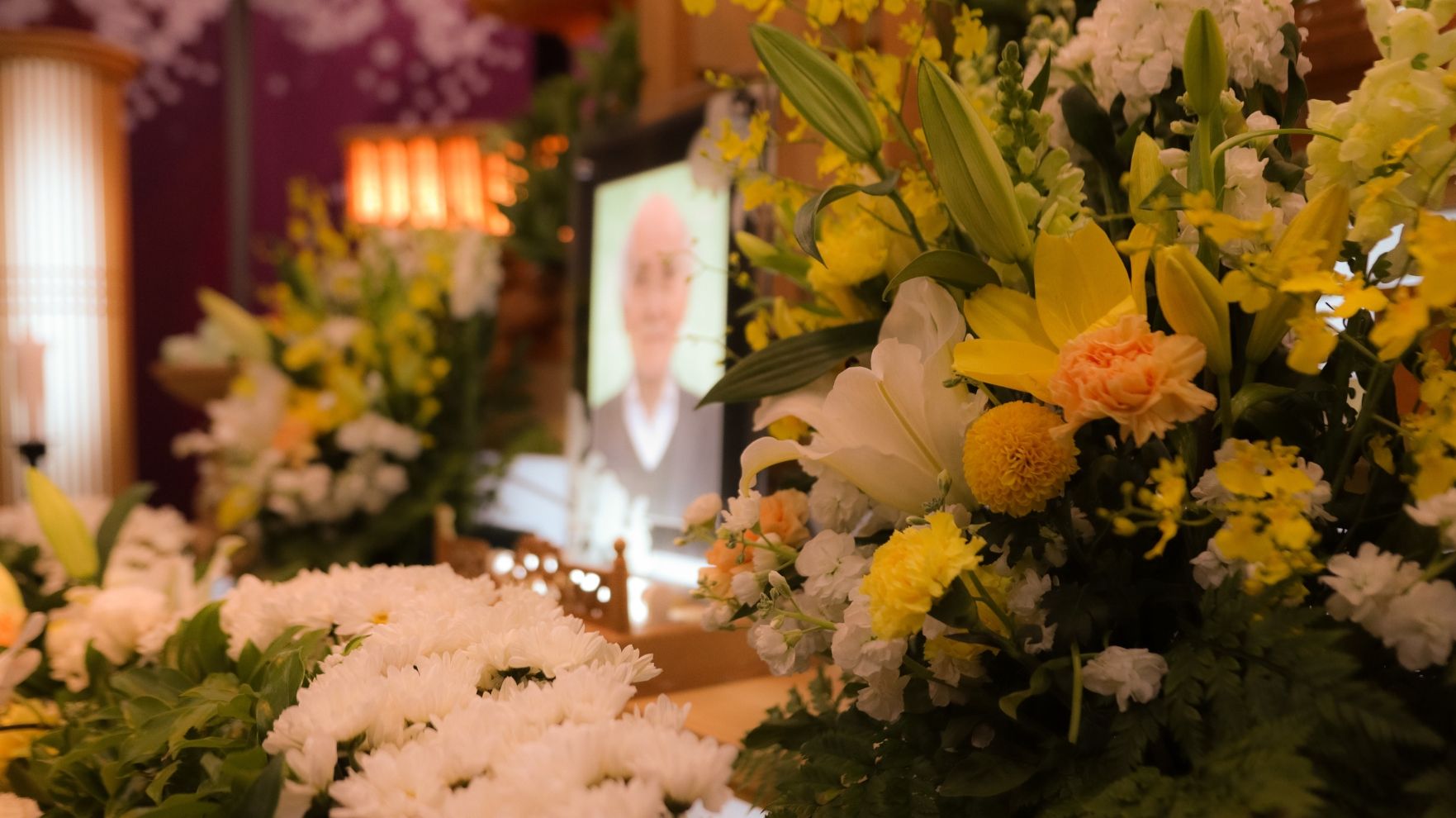
Humanist funerals – why are they growing in popularity?
Learn what humanist funerals are and why they are growing in popularity. Discover how a secular ceremony unfolds and the modern forms of remembrance.