
How to write a memorial for someone who has died? Examples and tips.
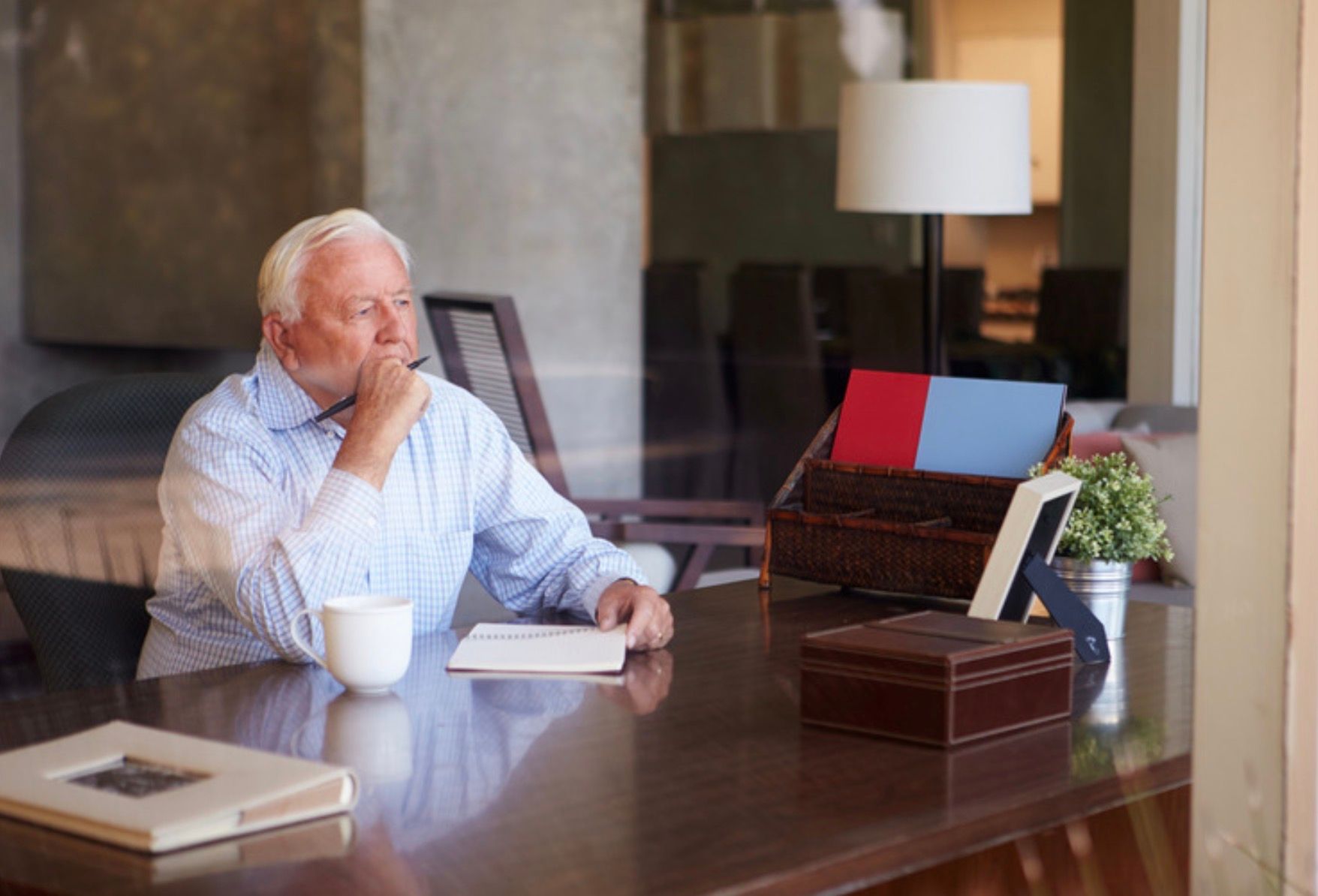
How to write a memorial for someone who has died
A guide for the bereaved who want to bid a loved one a dignified, attentive farewell
Losing a loved one stops time. Amid the formalities, the emotions and the silence that follows a death, there often arises a need to write a few words of remembrance – an expression of love, gratitude and memory for the person who has passed.
Writing a memorial is not only a form of farewell. It is also a way to put your emotions in order and to save what matters most from being forgotten.
Our tips will help you go through this process calmly and mindfully.
1. Give yourself time and space.
You don't have to write straight away. Grief is a process; trust the process. A memorial does not have to be perfect, literary or long. What matters most is that it is genuine. If your thoughts feel chaotic, start with single sentences, keywords and memories. You can return to the text after a few days and add to it.
It's natural for tears to come while writing. It's a sign that the words are sincere. Crying is cleansing and necessary. It releases our tension.
2. Start with who this person was.
A memorial can begin with a short introduction to the person who has passed. Answer the question: who were they to you or your family? What roles did they play, and how long were they in your life? Sum up in three words the values that mattered most to them.
Example: "She was the heart of our family. She never refused help; despite her tiredness and many duties, she saw others' needs like few people could."
3. Tell the story of their life.
Every life is a story of its own. Even if it seems ordinary, to the loved ones who shared it, it is exceptional. You can start in chronological order. The beginning might be the deceased's childhood and youth. Then, perhaps, important decisions or turning points are worth recalling. Let your memorial capture what gave the person's life meaning – their passions and interests. Honour them by recalling their talents or professional achievements.
Keeping chronological order is only a suggestion. Sometimes a single area of a loved one's life fully conveys the values they lived by and what was the axis of their life.
4. Recall specific memories.
The most moving thing is to recall seemingly small details. The way your loved one laughed. A saying they often repeated. Perhaps the ritual of Sunday dinners, or an inviolable Saturday walk in a favourite park. It can be a collection of anecdotes that capture the whole personality of the person you remember.
5. Write about what they left behind.
Here it's worth considering: what did you learn from this person? How did they shape your life? That they left an emptiness is natural, but did they leave an intangible legacy? Perhaps they influenced many people. Think about whether someone else can sit down with you to compose this memorial together. You can end the text with words of gratitude.
6. A memorial as part of a digital biography.
More and more families writing memorials choose to create a digital biography with a QR code placed on the headstone. It is a modern and very personal form of remembrance. With such a solution, a memorial is not limited to two dates and a name carved in stone. A digital biography can hold the deceased's full life story, personal memories from loved ones, the eulogy from the funeral, a photo report from the farewell, photos and important moments from the person's life, and even the family tree. A QR code lets others discover the life story of someone who was part of our lives. It is a way of paying tribute to those dear to our hearts.
It is also a keepsake especially important for future generations. Grandchildren and great-grandchildren can thereby see who a person they may never have had the chance to meet really was.
7. Don't be afraid of simplicity.
You don't have to use lofty words or grand metaphors. The most beautiful memories are often the simplest:
Example: "Thank you for every conversation over a cup of tea.", "Thank you for being able to laugh in the hard moments of our shared journey.", "You showed me to go after what's mine; you taught me courage.", "Your place at the table will always be yours.", "We will live as you taught us – honestly and with optimism in our hearts."
8. If it's hard — ask for help.
You can ask family members for short reminiscences or gather anecdotes from friends. Together you'll create a text that brings different perspectives together. You may even learn something new about your loved one after their death.
Often, writing a memorial together brings relief in grief. It brings the family together during the first intense stage of mourning.
9. Remember that it is an act of love.
By writing a memorial, you don't close the story. On the contrary, you give it permanence. Words written today may, over the years, become a priceless keepsake.
In a world that forgets quickly, deliberately preserving memory is an expression of respect and care. Whether you choose a short note, a eulogy or an extensive digital biography with a QR code, what matters most is to put into these words what flows from the heart. If you are writing a memorial for a loved one, allow yourself honesty, be gentle with yourself, and take your time.
Memory is the most enduring monument we can offer.
Recommended articles

Twoja Cisza – a conversation about grief. Plainly and concretely.
An interview about grief, experiencing loss and the workbook “When the world stopped”. How to cope with guilt, helplessness and everyday life after a loved one's death.

Eco-friendly grave lights – a conscious future for cemeteries?
Discover the TerraLight initiative and learn how eco-friendly grave lights help reduce cemetery waste, combining tradition with care for the environment.
Humanist funerals – why are they growing in popularity?
Learn what humanist funerals are and why they are growing in popularity. Discover how a secular ceremony unfolds and the modern forms of remembrance.