
A kind word, a warm gesture – on support in grief

1. Accepting your feelings and the stages of grief
The first step in going through grief is acknowledging your own emotions. Sadness, anger, guilt or helplessness are a natural part of the process. Accept every reaction and feeling that accompanies you, and let it out. It's important to give yourself the right to feel emotions without judging yourself. There is no "right" or "wrong" way to grieve – everyone responds to loss differently. Accepting what is happening inside us gradually reduces inner tension and opens the way to further healing of emotional wounds.
2. Seeking support from others
At this time the presence of loved ones is hugely important – family, friends, and sometimes also support groups or specialists (e.g. psychologists, therapists). Sharing memories, going through family albums, tidying the flat – often with a trusted person – takes on the strength we need. Talking about the person who has died, or experiencing sadness together, helps release emotions. Sometimes support lies not in words but in the simple presence of another person – silence, being quiet together, a walk, or visiting the cemetery in company.
3. Nurturing the memory of the deceased
One way to come to terms with loss is to celebrate the life of the person we are bidding farewell. Looking at photos together, telling stories, creating an album, or lighting a candle on the deceased's name day or birthday. Such rituals let us keep closeness and settle a relationship that death need not end. Nurturing memories does not lock us in the past – on the contrary, it helps us find peace and gratitude for the moments shared.
4. A digital biography as a symbolic closure
An increasingly popular way to say goodbye to a loved one is to create a memory profile – a digital biography that documents their life, passions and achievements. Such a profile can be made public or kept only for chosen people, protected with a password. Access to it is provided by a QR code placed on the headstone or columbarium. It is a modern form of remembrance that forms a kind of bracket around the process of farewell – on the one hand it lets you preserve memories, and on the other it gives a sense that we are celebrating a life story we were part of. Thanks to this, the memory of the deceased stays alive, and future generations can get to know their story in a direct and personal way.
Creating a digital biography and being able to symbolically honour a loved one helps us find solace and keep a lasting trace of those we loved.
Try a free memory profile – https://takzyli.pl/rejestracja-klienta
Places where specialists offer support during grief:
- Instytut Dobrej Śmierci – https://instytutdobrejsmierci.pl
- Centrum Emocja – https://centrumemocja.pl
- Nagle sami – https://naglesami.org.pl
Free support line for the bereaved: 800 108 108_
Recommended articles

Twoja Cisza – a conversation about grief. Plainly and concretely.
An interview about grief, experiencing loss and the workbook “When the world stopped”. How to cope with guilt, helplessness and everyday life after a loved one's death.
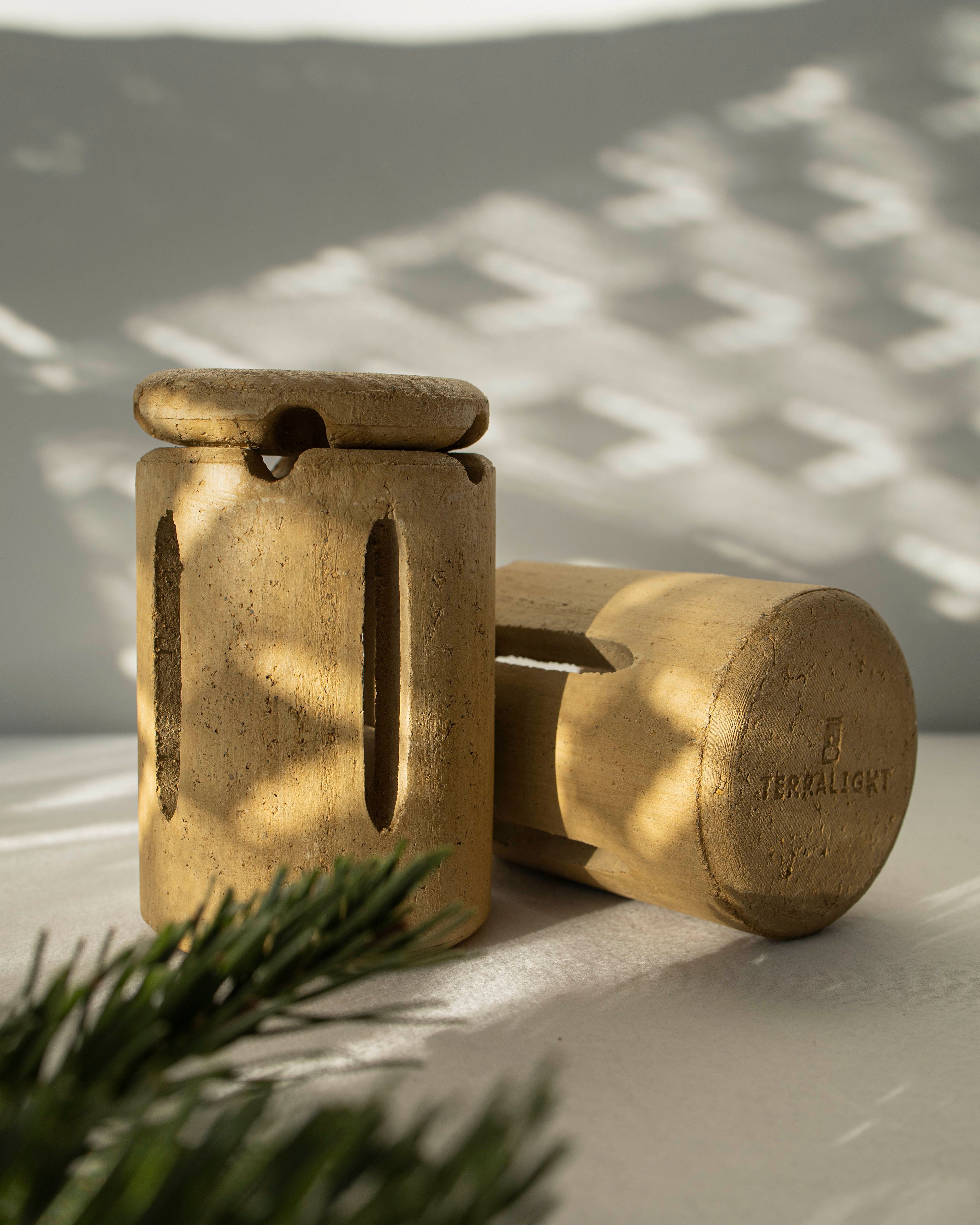
Eco-friendly grave lights – a conscious future for cemeteries?
Discover the TerraLight initiative and learn how eco-friendly grave lights help reduce cemetery waste, combining tradition with care for the environment.
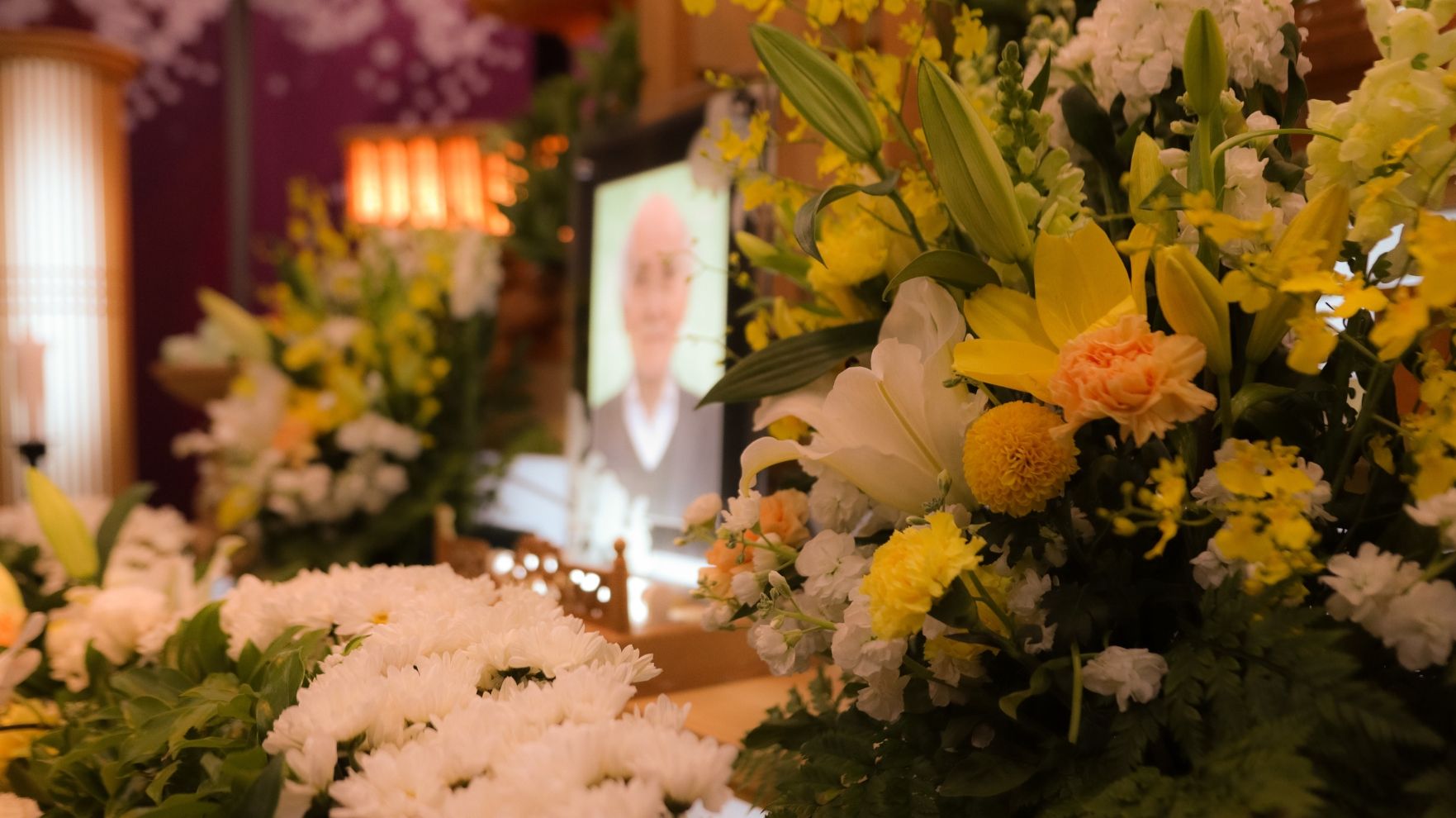
Humanist funerals – why are they growing in popularity?
Learn what humanist funerals are and why they are growing in popularity. Discover how a secular ceremony unfolds and the modern forms of remembrance.