
What to do? The first 24 hours after the death of a loved one.
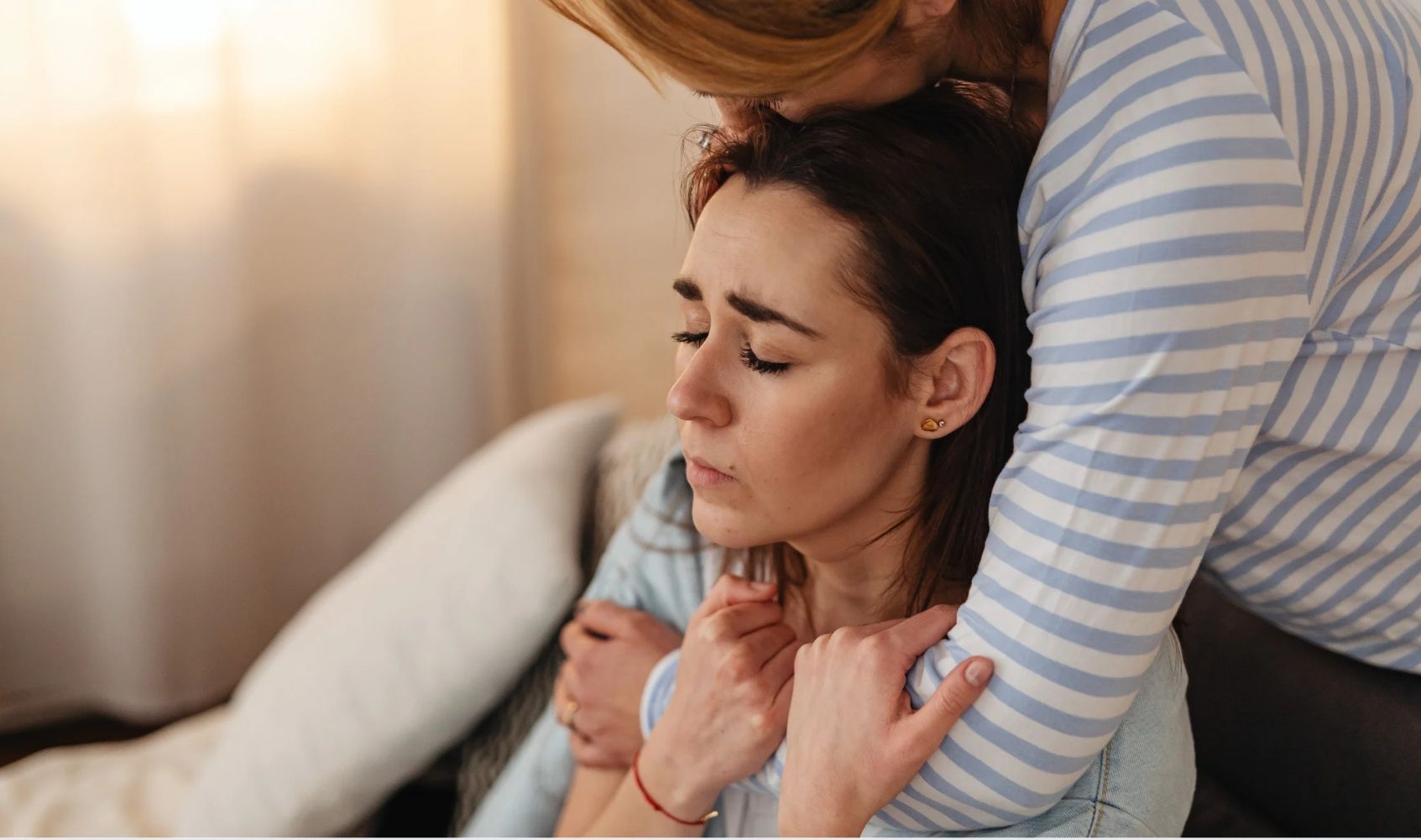
A calm guide to what to do – how to care for the deceased and for yourself.
The death of a loved one stops time. In the first moments there is silence, disbelief, often a chaos of thoughts. At such times one thing matters most: to allow yourself to be with the deceased, and not to be left alone with it.
You don't have to do everything at once or by yourself. It's worth asking family or friends for help and dividing the tasks among you. Someone can call the doctor, someone else the funeral home, someone can prepare documents or make tea and something to eat for everyone present.
This text is a calm guide to what usually needs to be done within the first 24 hours.
1. Pause and be with the deceased.
If the death occurred at home, the first moments can be very important for the family. In many cultures and traditions, staying by the body for a while is a natural way of saying goodbye. You can sit by the deceased, touch them, hug and kiss them, pray, keep silence and light candles. Gently close the deceased's eyes if they are open. Then cover the body with a light blanket or sheet.
There is no hurry here. No one expects immediate action. Usually the first phone calls are made only after some time.
2. The first call – doctor or emergency services.
To formally confirm the death, a death card issued by a doctor is needed.
Depending on the situation, you should call:
If the death occurred at home:
• your family doctor,
• the night and holiday healthcare service,
• emergency services (112/999).
The doctor will come, confirm the death and issue the death card. It is the document required for further formalities.
If the death occurred in a hospital or hospice – the staff handle this automatically.
3. The second call – the funeral home.
Once the death card has been issued, you can call the funeral home of your choice.
The funeral home's staff will:
• collect the body from the home or hospital,
• transport it to the mortuary,
• help with the formalities,
• often also help obtain the death certificate and organise the funeral.
It's worth preparing for the funeral home:
• the death card from the doctor,
• the deceased's ID document,
• possibly the clothing in which they are to be buried (clothing can sometimes be delivered later).
You don't have to do everything at once; the funeral home usually guides the family through the next steps calmly and without rushing.
4. How the deceased's body may behave.
In the first hours after death, the body begins to go through natural biological processes. It's worth knowing about them so they don't come as a surprise.
You may notice that:
• the body becomes cooler,
• muscle stiffness (rigor mortis) sets in after a few hours,
• the skin may turn paler or slightly bluish,
• the jaw or mouth may relax slightly,
• sometimes a faint odour or minor discharge appears.
These are natural physiological processes. They may unfold a little differently in each person.
If the body remains at home for several hours, you can:
• open a window a little,
• cover the body with a light sheet,
• place the deceased's hands on the chest,
• put a small pillow under the head.
You don't need to do anything more; the funeral home's staff will take care of the rest.
5. What to prepare for the funeral home.
If the body is to be collected from home, it's good to prepare:
• the death card from the doctor,
• the deceased's ID card,
• clothing for burial (if already chosen),
• any documents concerning the burial place (if it is a family grave).
If there is no clothing, the funeral home can often help with this.
6. Further formalities (usually the next day).
Over the following days you should:
- Obtain the death certificate at the Registry Office (Urząd Stanu Cywilnego), based on the death card.
- Set the funeral date with the funeral home and the cemetery administration.
- Notify family and loved ones.
- Later, report the death to, among others: ZUS / KRUS, the bank, the employer, the insurer.
However, most of these matters do not have to be handled in the first hours. Very often the funeral home offers to take care of the official formalities.
7. Most important: don't be left alone with it.
The first day after a loved one's death is emotionally very hard. That's why it's worth calling someone in the family for help, asking a neighbour or friend to be present, and dividing small tasks among several people.
For example:
• one person calls the doctor,
• another the funeral home,
• someone else prepares documents or informs the family.
You don't have to carry it all alone. Remember that the first call should be to someone close to you, and only the next to the doctor.
8. A time for farewell.
Amid all the formalities it's easy to forget what matters most. The first hours after a loved one's death are also a time for a quiet farewell. You can say your last words, hold a hand, pray, or simply sit in silence.
Many people, years later, remember exactly this moment – the moment when they were with their loved one once more.
People and institutions will take care of the rest later.
First comes the time for the heart.
Recommended articles

Twoja Cisza – a conversation about grief. Plainly and concretely.
An interview about grief, experiencing loss and the workbook “When the world stopped”. How to cope with guilt, helplessness and everyday life after a loved one's death.
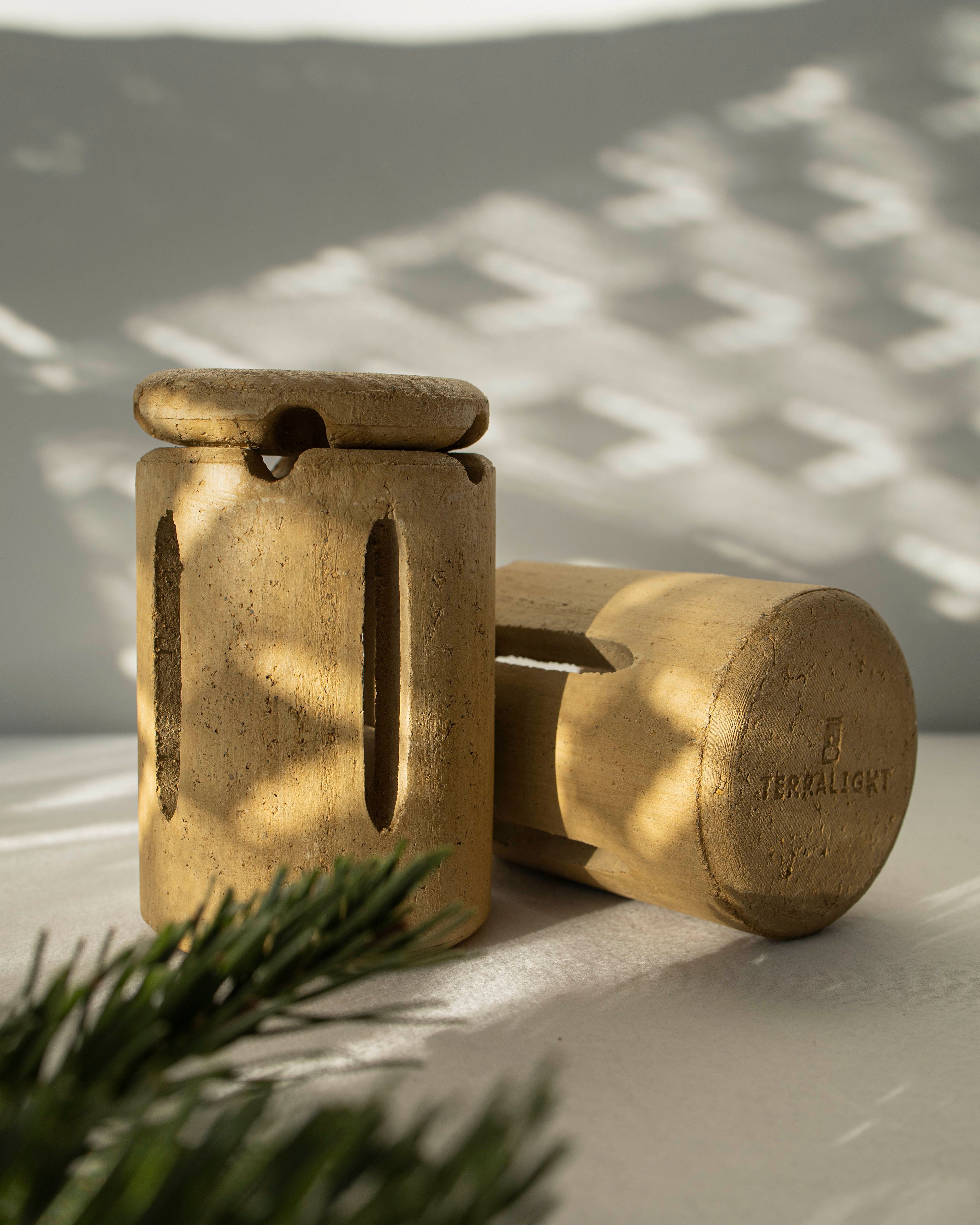
Eco-friendly grave lights – a conscious future for cemeteries?
Discover the TerraLight initiative and learn how eco-friendly grave lights help reduce cemetery waste, combining tradition with care for the environment.
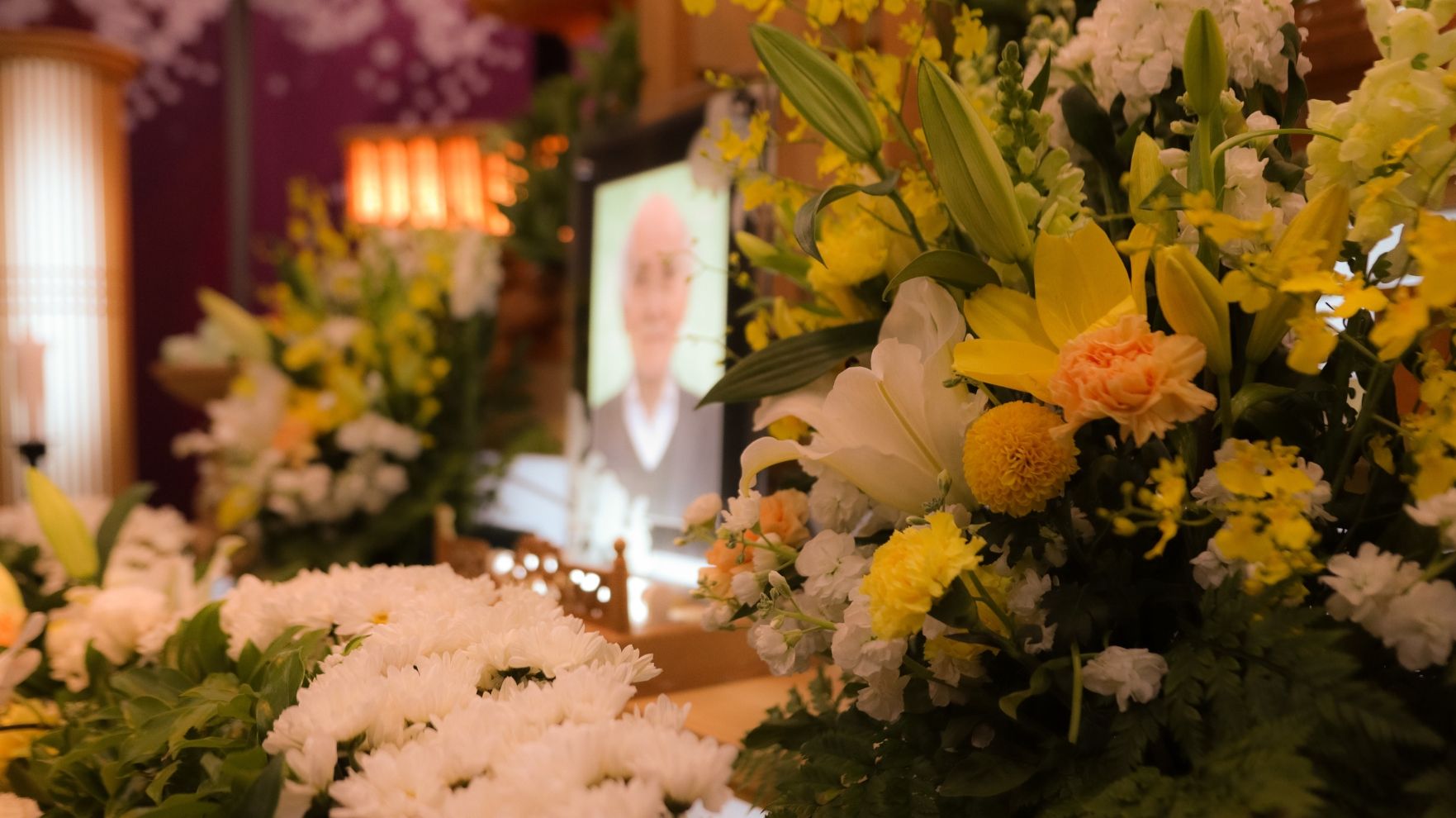
Humanist funerals – why are they growing in popularity?
Learn what humanist funerals are and why they are growing in popularity. Discover how a secular ceremony unfolds and the modern forms of remembrance.