
How to talk to a child about death?
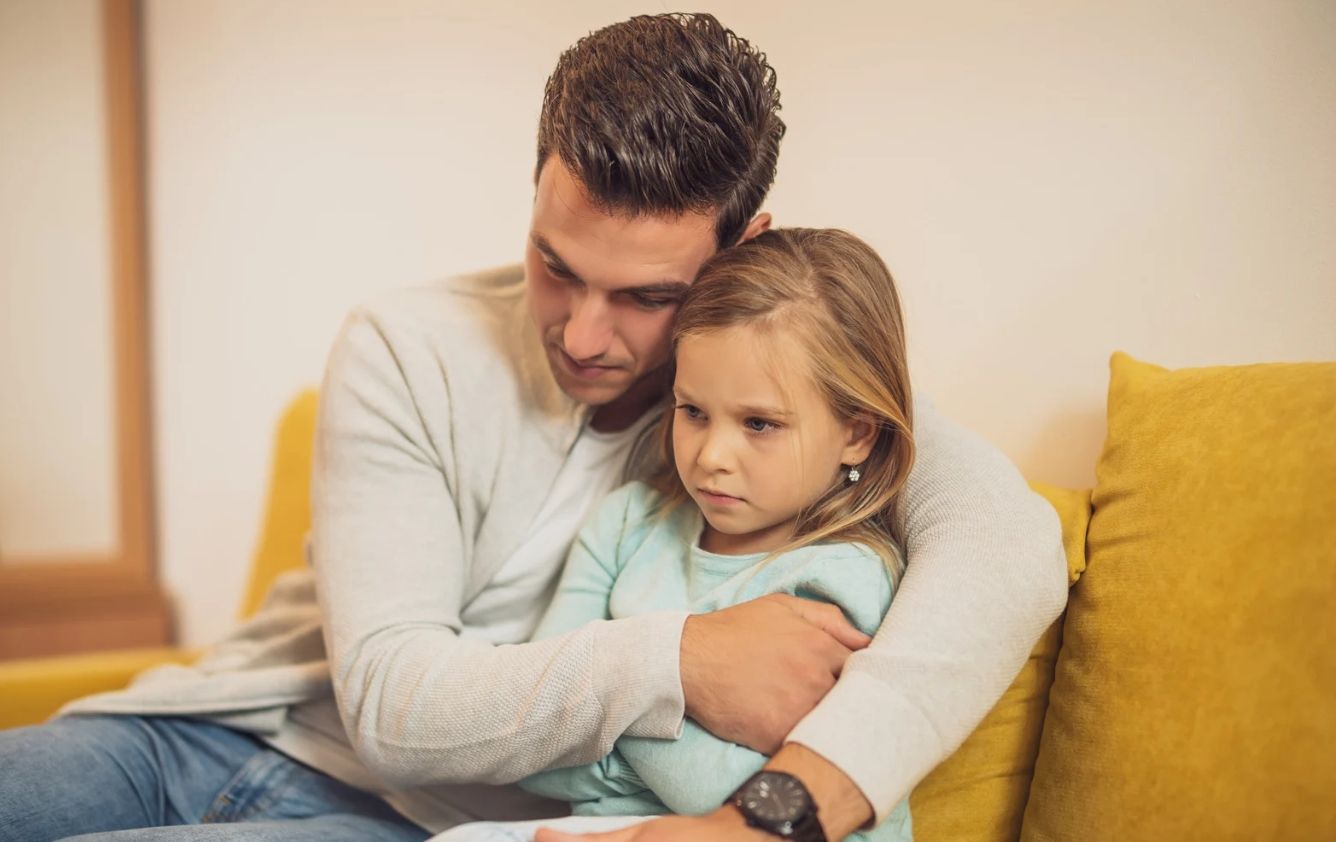
How to talk to a child about death? – A tender guide for parents and carers during grief
The death of a loved one changes everything. It changes everyday life, emotions, our sense of security. For adults it is an experience hard to describe, but it affects children just as strongly. We may think they are still too young to understand loss, but that is not true.
Many people wonder how to talk to a child about death. Should we tell the truth without beating around the bush? What words should we use? Should a child take part in the funeral? How can we help them grieve?
Specialists who support the bereaved stress that what matters most is not perfect words, but presence, honesty and a readiness to talk. All organisations that support grieving people make clear that children experience loss deeply and need adults' support just as much as adults do.
Why should a child know the truth about death?
Children see and feel more than we often assume. Even a small child notices a parent crying, a change in the atmosphere at home or the absence of a beloved person. When adults avoid talking about death, the child is left alone with fear and their own imaginings.
Specialists believe that a lack of honest communication can cause even greater anxiety than the truth about the loss itself. A child may feel lost, or even blame themselves for what happened. The monster of the unknown can grow ever bigger, while hope for the return of a loved one whose fate is unclear can burn the child out.
That is why it is so important to speak in simple, calm language. There's no need for difficult explanations. The truth, told with tenderness and openness to the child's questions, is enough.
Instead of saying:
"Grandma fell asleep"
"Dad went away"
"Mum has left"
it's better to say:
"Grandma has died. Her body has stopped working and she won't come home again."
Although such words can be painful for adults, for a child they are safer than half-truths. Psychologists stress that children need clarity, because they interpret reality literally. Phrases like "fell asleep" may cause fear of sleep or of separation. Worse still, the hope that one can, after all, wake from sleep.
Most important is that the child knows they can ask questions and talk about their emotions – even if the adult doesn't know all the answers. Have the courage to say: "I don't know how to explain this to you. I'm sorry."
How do children experience grief?
A child's grief often looks different from an adult's. A child may cry and, a moment later, go back to play. They may ask the same questions many times, or react with anger, withdrawal or silence. Children often start to have trouble sleeping. Fears appear, or they need more loved ones around them than before. We should slow the pace of life and be attentive to changes in the child's behaviour. If something worrying and unusual persists for a longer time, consult a specialist – a child psychotherapist – or seek help from an appropriate foundation.
Children grieve in stages. They return to difficult emotions gradually, as they develop and come to understand the concept of death better.
During this time a child most needs:
a sense of security,
the closeness of adults,
a daily routine,
a slower pace of activities,
the right to all their emotions,
conversation without judgement, and the sense that they can ask any question at all.
It's worth remembering that not every child will want to talk right away. Some express sadness through drawing, play or a need for greater closeness. Others become more withdrawn or irritable, and may grieve in solitude, which is absolutely not a bad thing. Let's be careful not to "overdo it" and allow the child moments of being alone with themselves and their thoughts.
It is very important not to say:
"Don't cry"
"You have to be brave"
"That's enough sadness now"
A child should have space to grieve at their own pace. The death of a loved one is, for them, also a loss of stability and security.
Sometimes rituals of farewell prove helpful too. It can be looking at photos together, lighting a candle, talking about the person who has died, or taking part in the funeral if the child wishes. Creating a memory page for the deceased. Such actions help come to terms with loss and show that the memory of a beloved person remains alive.
How to talk to a child after the loss of a loved one?
After the death of a loved one, a child does not need perfect answers. What they need most is presence. They need an adult who will be there, even when that adult is going through enormous pain themselves.
You can say:
"I'm very sad, but we're together."
"You can ask me about anything."
Such words build a child's sense of security and show that emotions are something natural.
It's also important to observe the child's behaviour. If, for a longer time, there appear:
sleep problems,
strong anxiety,
aggression,
social withdrawal,
difficulties with everyday functioning,
then it's worth seeking support from a child psychologist or from organisations that help grieving people.
Talking about death is never easy. But honesty, tenderness and presence help a child understand loss and regain a sense of security. It is precisely then that a child learns that, even in the hardest moments, they are not left alone.
Places where specialists offer support during grief:
Instytut Dobrej Śmierci
Centrum Emocja
Nagle Sami
Fundacja Ania Łucja
Support in grief – Agnieszka Walczak
Free support line for the bereaved – 800 108 108
Recommended articles

Twoja Cisza – a conversation about grief. Plainly and concretely.
An interview about grief, experiencing loss and the workbook “When the world stopped”. How to cope with guilt, helplessness and everyday life after a loved one's death.

Eco-friendly grave lights – a conscious future for cemeteries?
Discover the TerraLight initiative and learn how eco-friendly grave lights help reduce cemetery waste, combining tradition with care for the environment.
Humanist funerals – why are they growing in popularity?
Learn what humanist funerals are and why they are growing in popularity. Discover how a secular ceremony unfolds and the modern forms of remembrance.